VISITING LUCCA
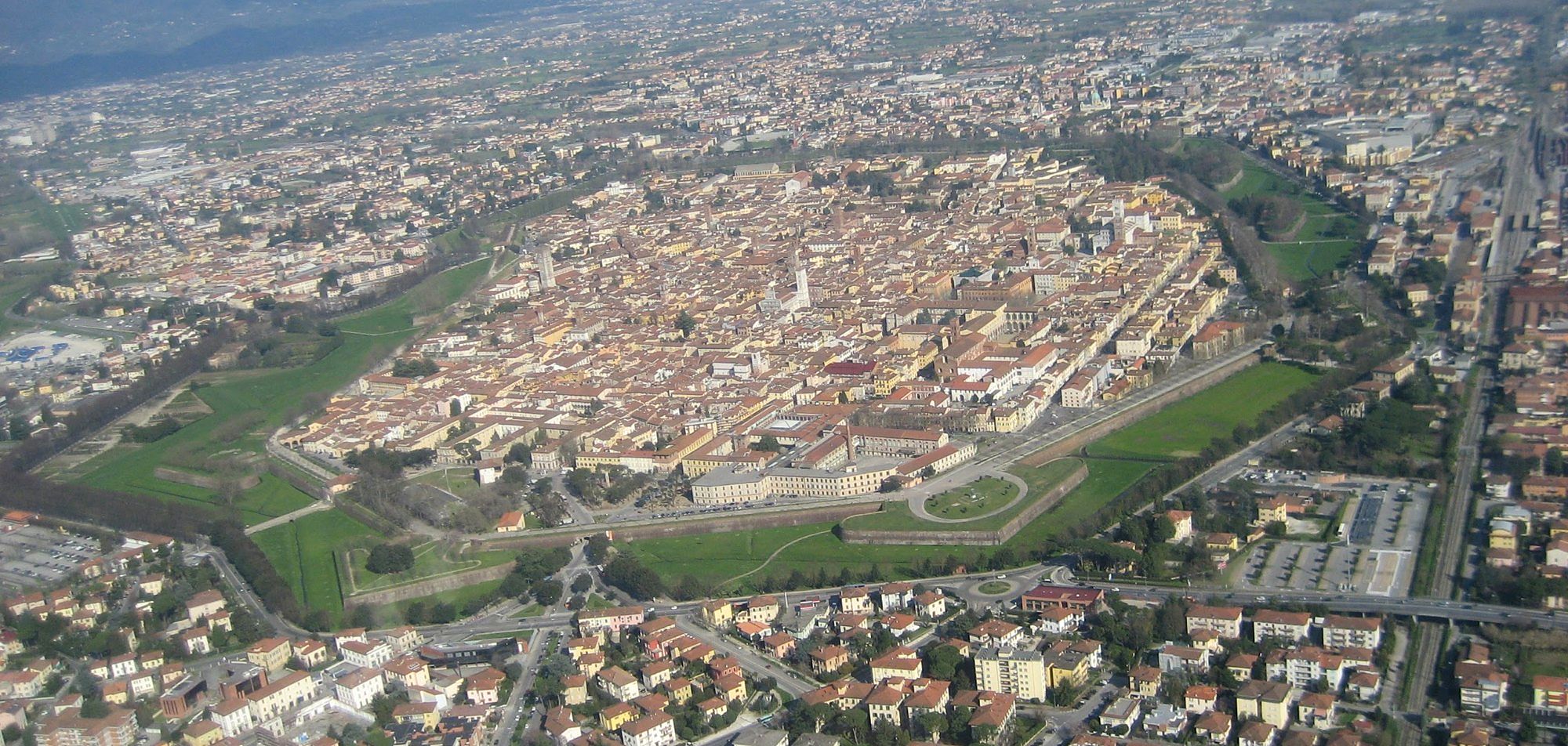
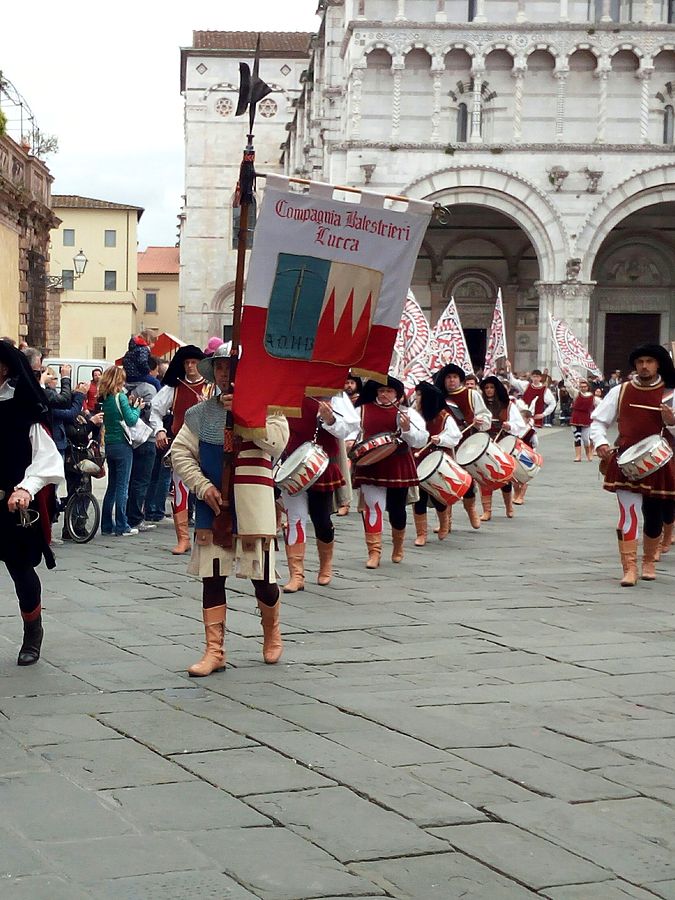
The thousand-year history of Lucca makes it a city of unique charm, just like its Renaissance walls that enclose the historic center with its 100 churches. Equally unique are its enchanting medieval towers and narrow streets. Its Renaissance palaces and squares are filled with history, art, and architecture. A truly unparalleled discovery!
LUCCA DISCOVERING THE CITY
The City of 100 Churches, 100 Squares, 100 Towers
With this itinerary we retrace the history and development of the city through the centuries by observing the monuments we encounter. Founded as a Roman colony in the 2nd century BC, Lucca flourished in the Middle Ages, becoming one of the richest cities in Europe thanks to its brocaded silk production. This wealth allowed for the construction of beautiful churches, splendid palaces, and elegant squares. Located along the Via Francigena, the city became a crossroads for merchants, pilgrims, and great artists. With the construction of its walls, Lucca was an independent Republic from the 12th century until Napoleon’s conquest in 1799. Traces of these historical events remain in its squares, palaces, and monuments. A truly fascinating and elegant city.
The Walls of Lucca
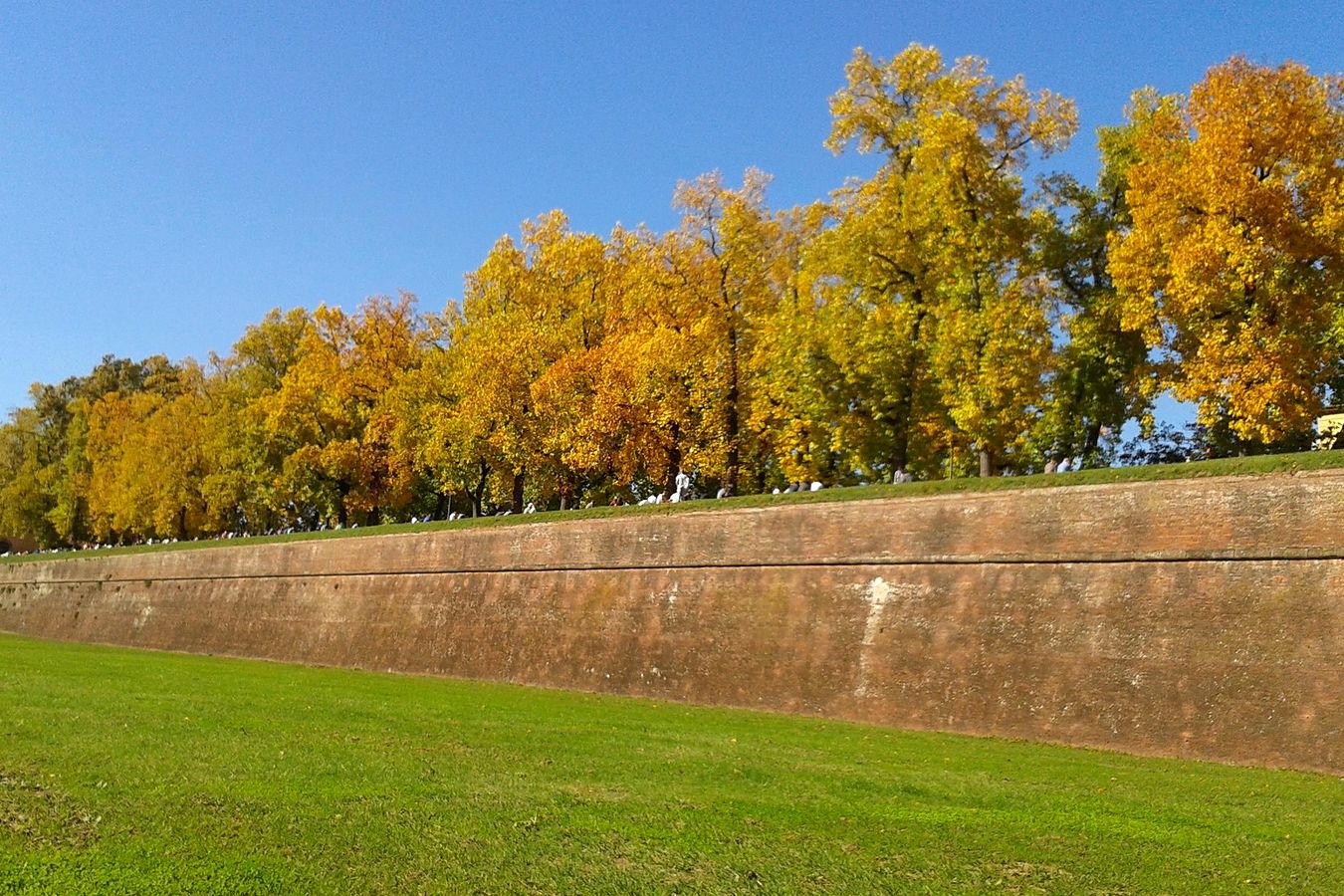
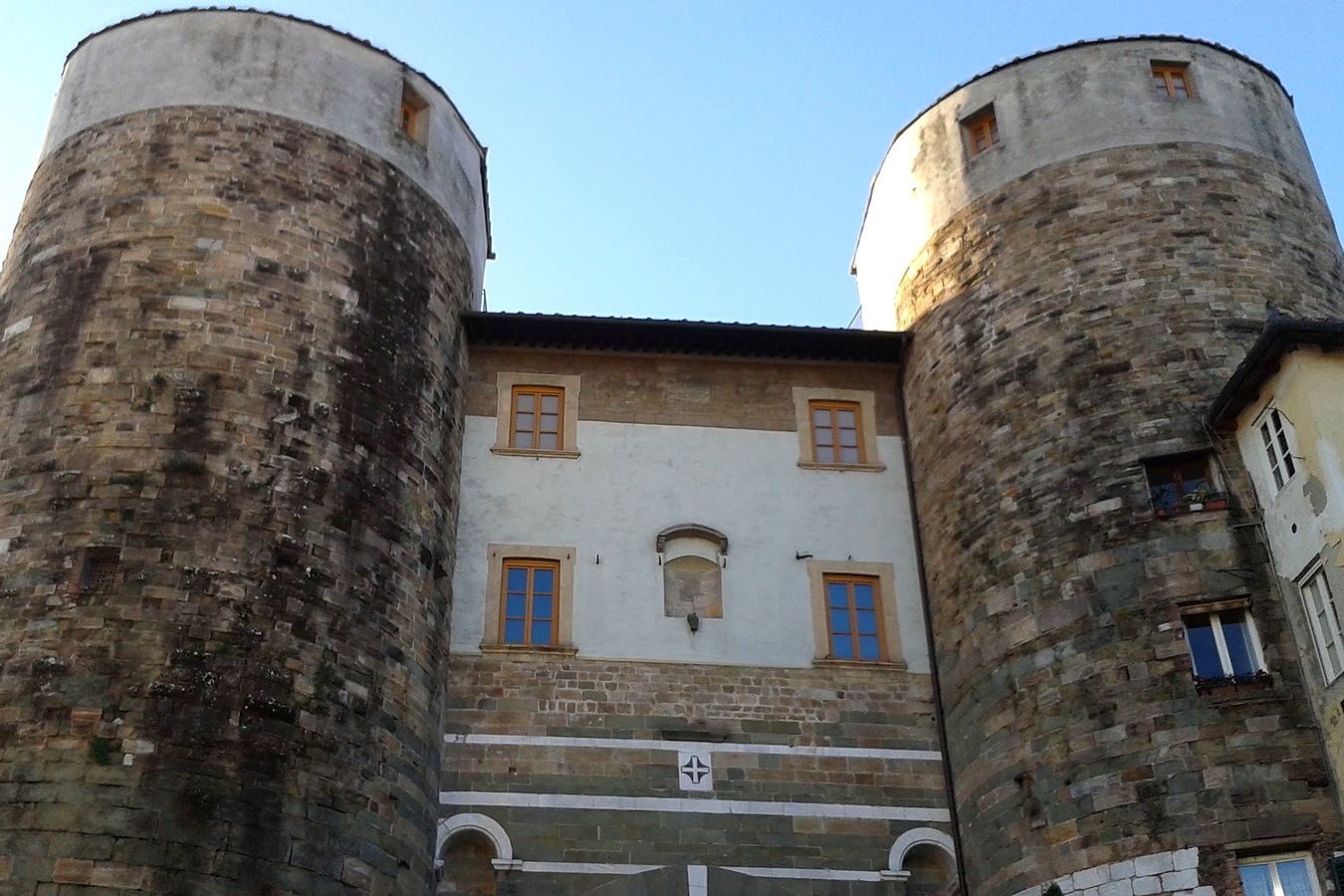
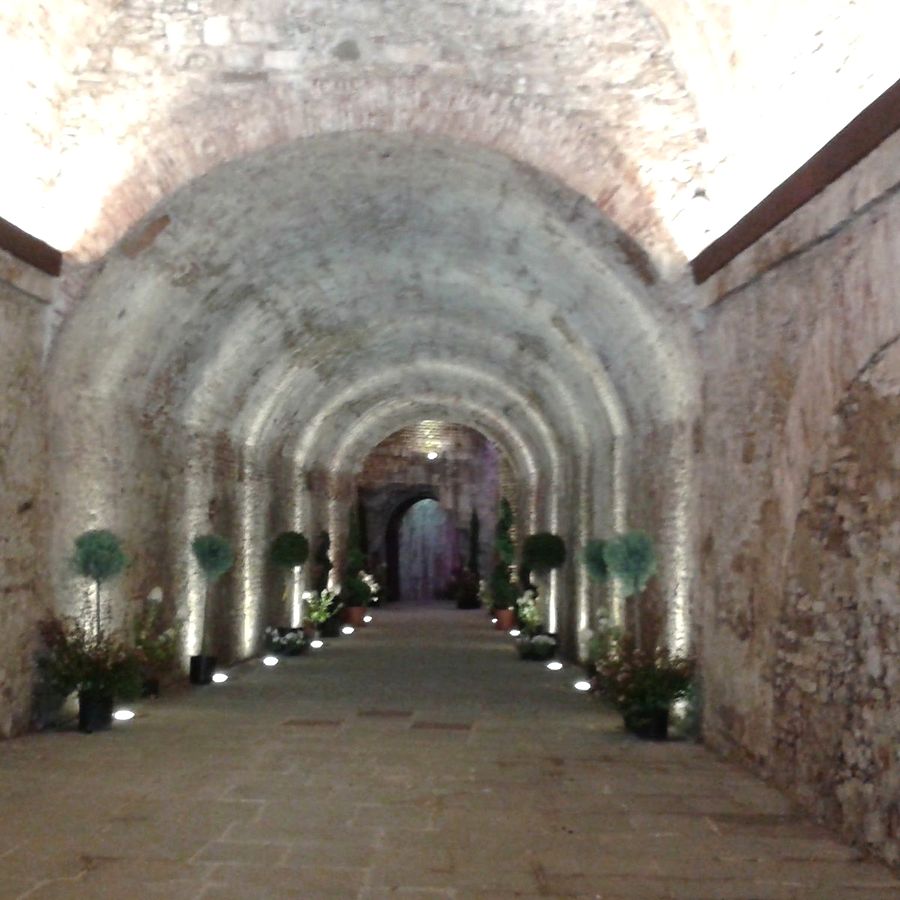
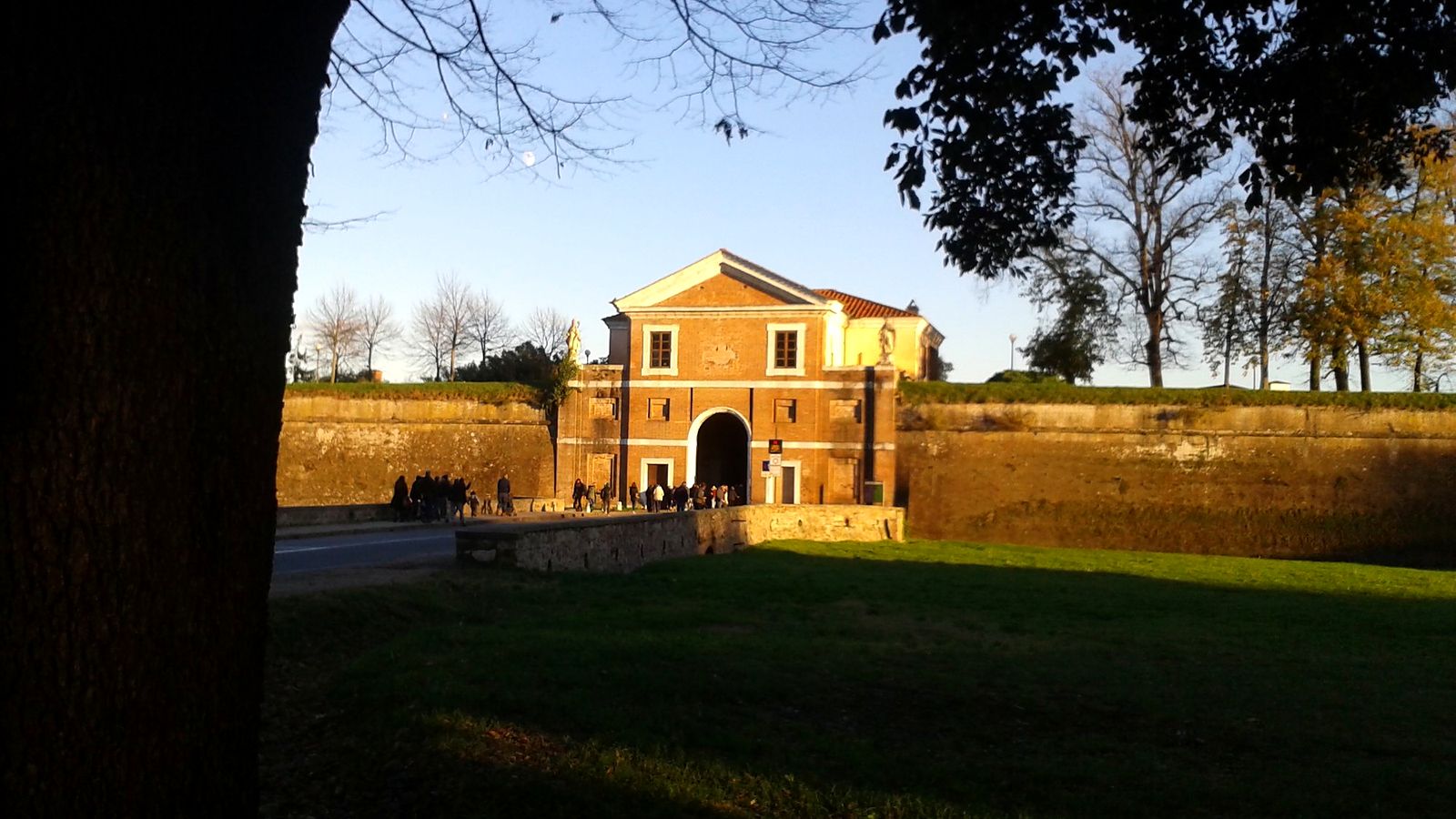
Lucca’s city walls are truly unique: about 4 km long, 12 meters high, and an astonishing 30 meters wide. Nowhere else in the world are there walls of such dimensions, still intact and original—thanks to the fact that Lucca was never attacked and the walls were never destroyed. What we see today are the Renaissance walls, begun in 1513 and completed 100 years later, built over the medieval fortifications. Along the way we can still see remnants of the old walls, ramps, and bastions. A walk on the walls is especially pleasant thanks to more than 300 trees and the chance to admire the city from above.
Giacomo Puccini and Piazza San Michele
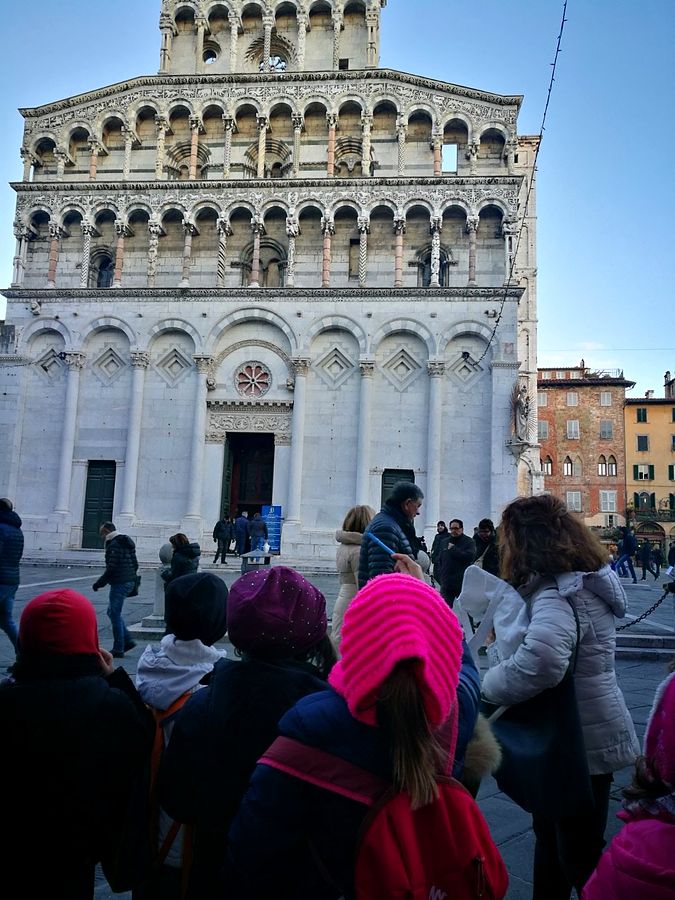
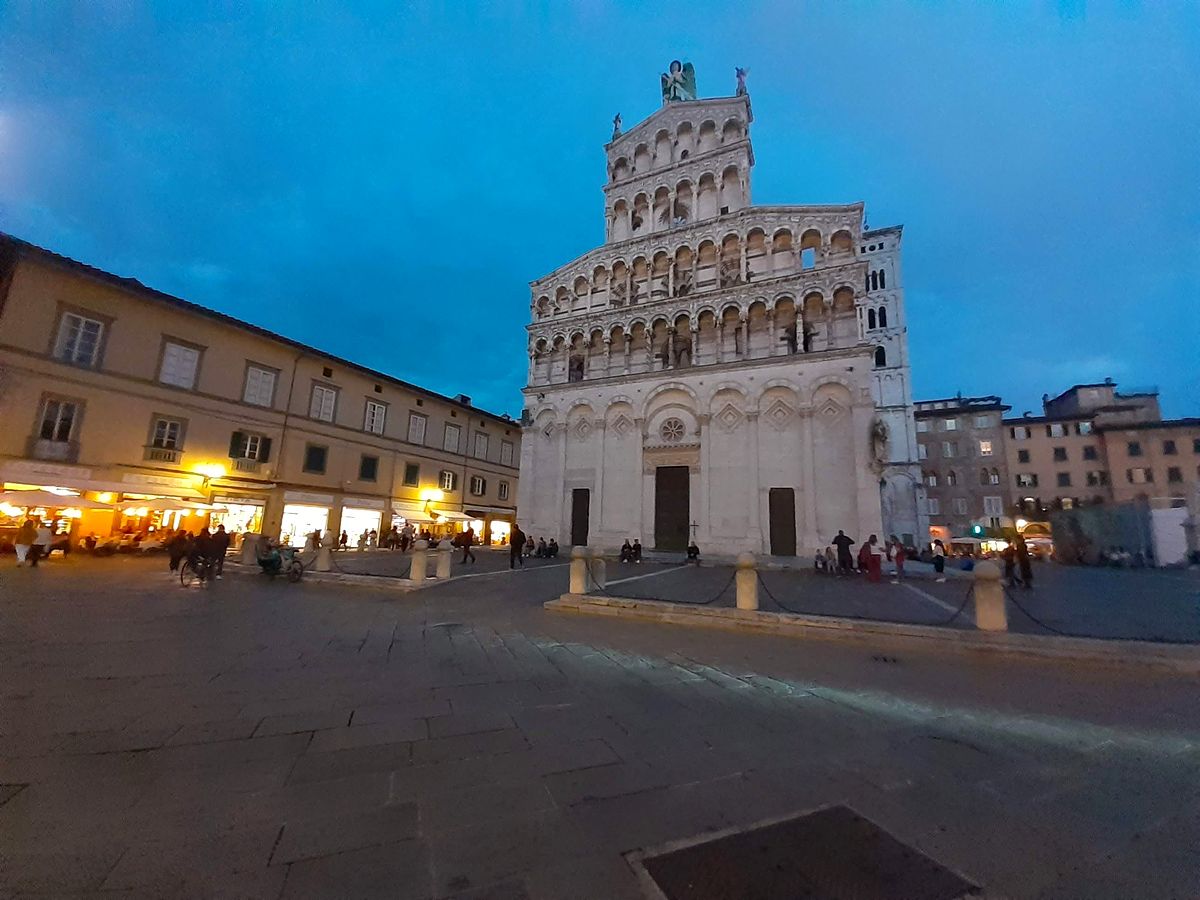
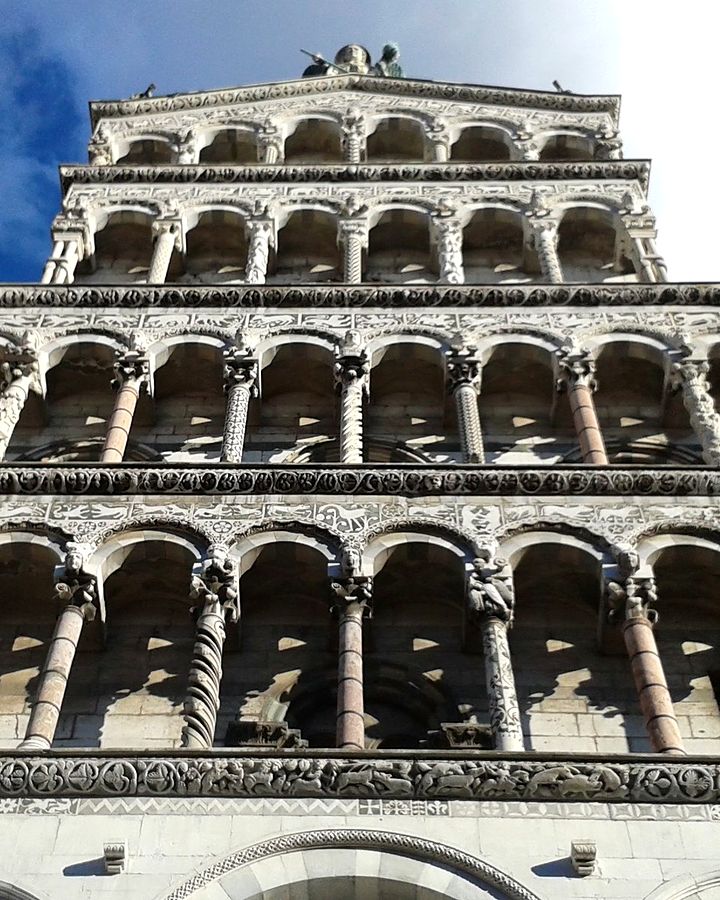
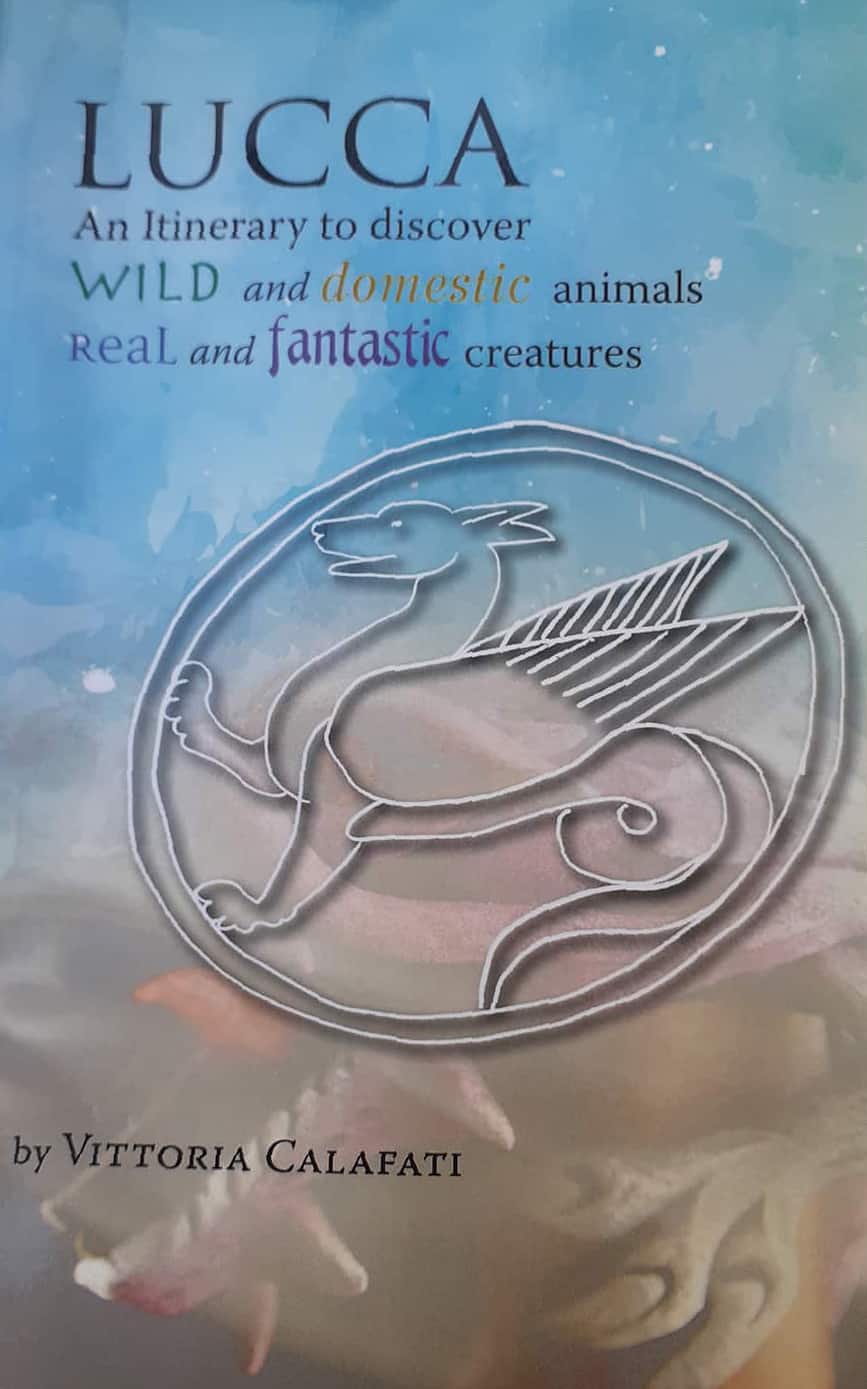
The illustrious citizen Giacomo Puccini was born in Lucca in 1858. After studying in Milan, he conquered the world stage with his immortal operas such as "Madama Butterfly", "La Bohème", and "Turandot". The Maestro was born just few steps from Piazza San Michele, once the site of the Roman Forum—the very heart of Lucca. The square is dominated by the magnificent Church of San Michele with its Romanesque-Gothic façade, richly decorated with carvings of domestic and fantastic animals, geometric and floral motifs, as well as angels and saints.
The Cathedral of San Martino
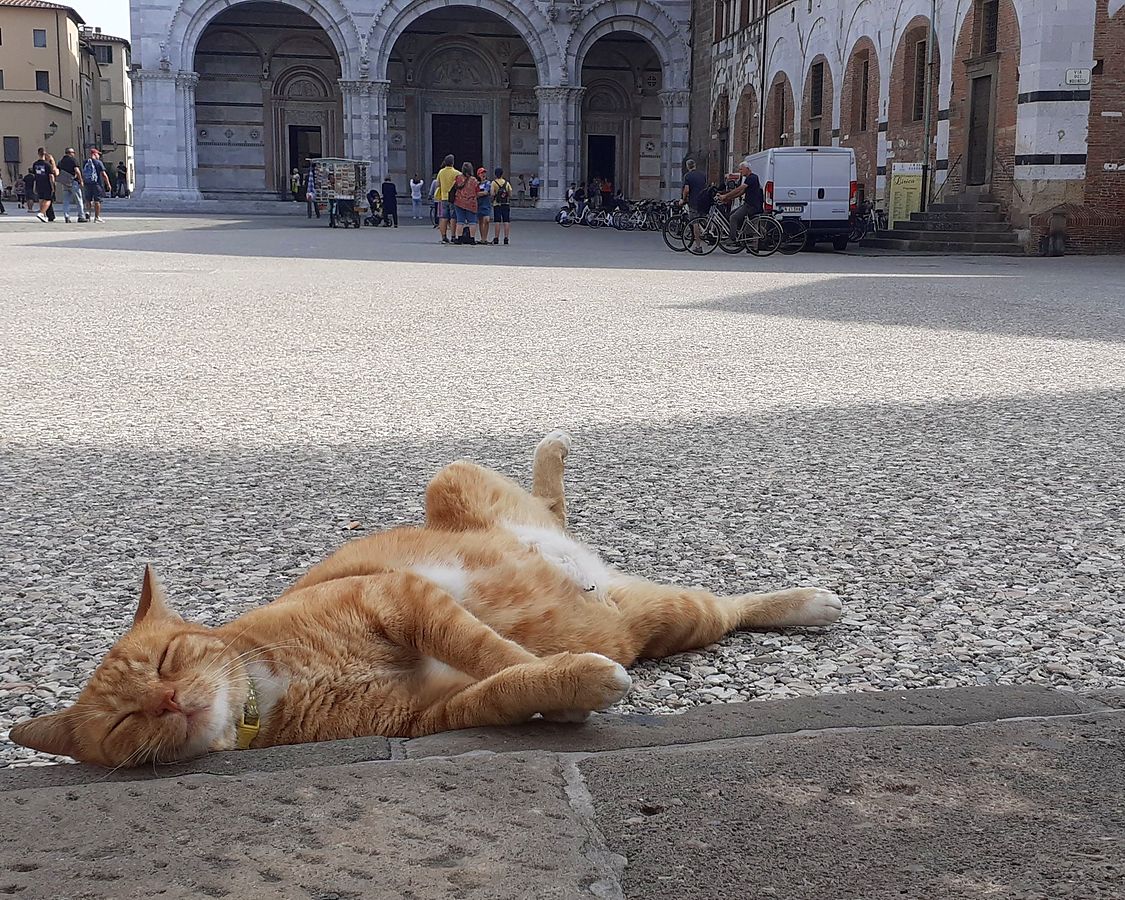
Lucca’s cathedral is unique in its kind: a 13th-century façade leans against its 11th-century bell tower, creating a distinctive architecture. Under the portico are splendid reliefs, both sacred and profane: a Nativity by Nicola Pisano (1260), scenes of the months, zodiac signs, a Cretan labyrinth, and more. Inside are important works of art, but above all, the oldest wooden crucifix in Western Christendom: the Volto Santo, dating back to the 8th century.
Via Fillungo and the Guinigi Tower
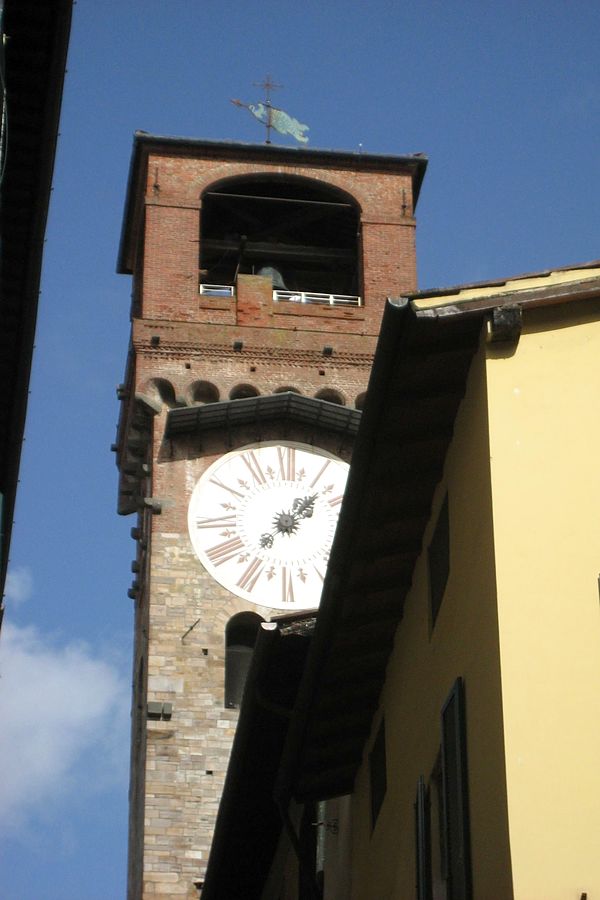
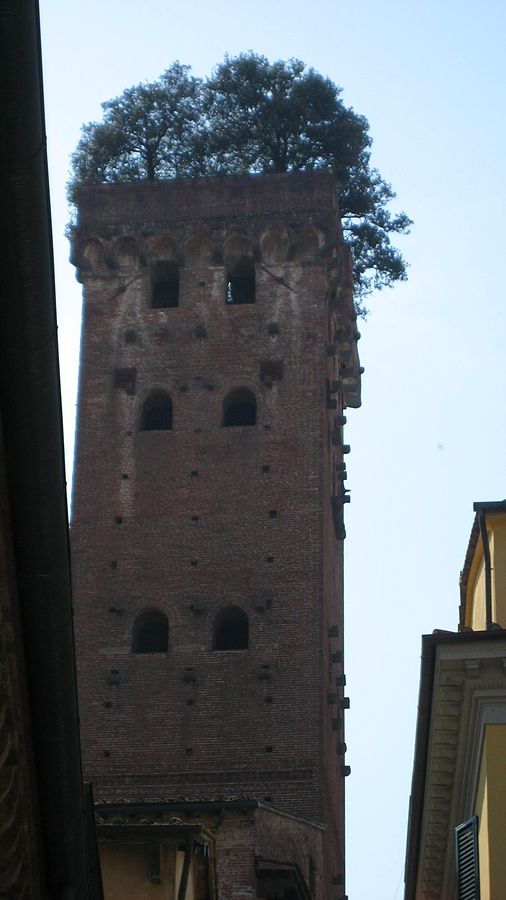
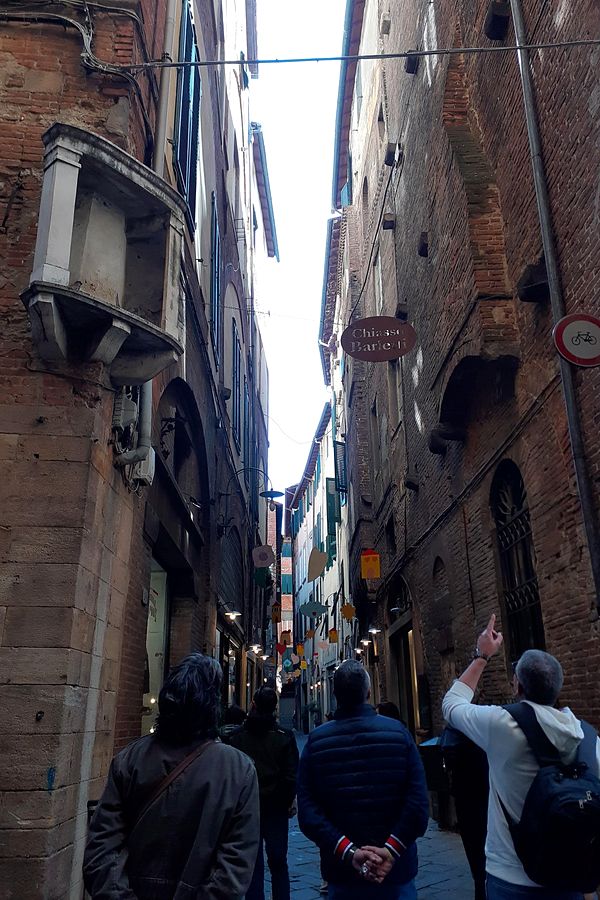
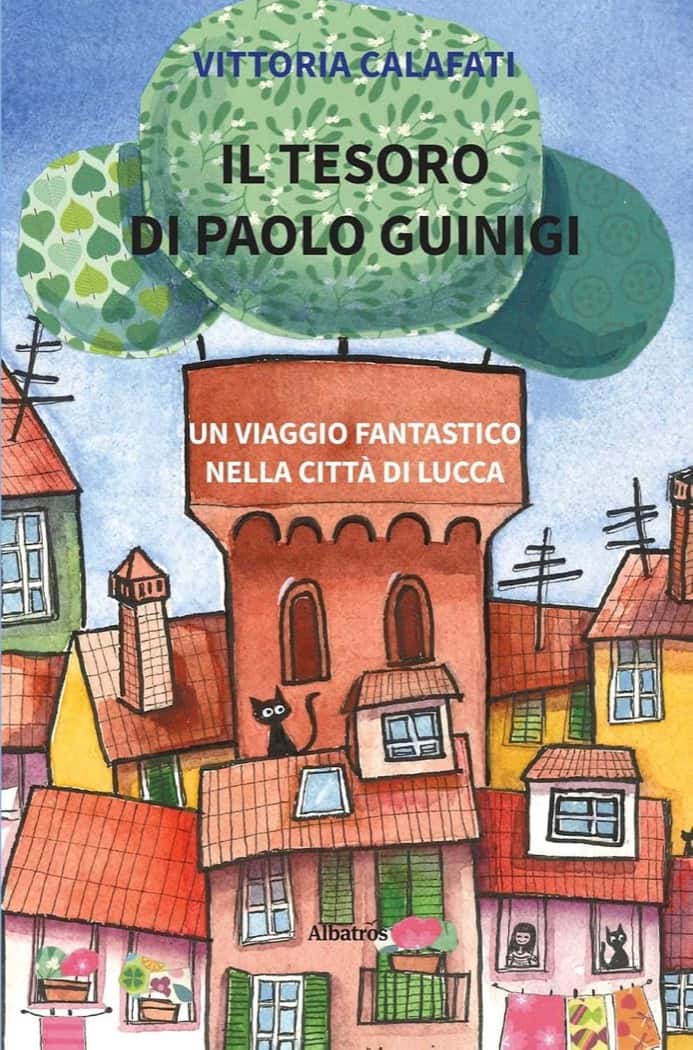
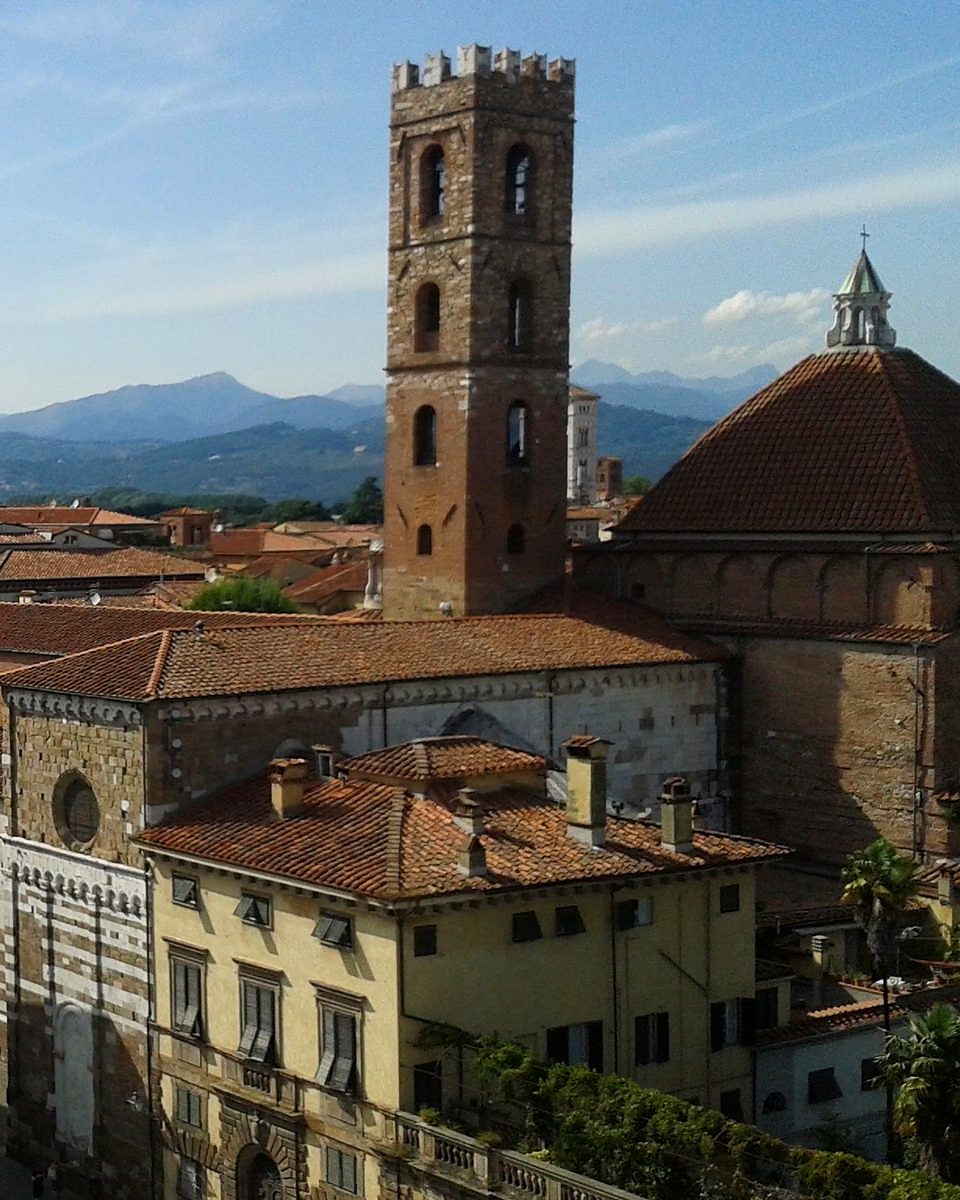
Via Fillungo was Lucca’s main commercial street in the Middle Ages—and it still is today. Running north to south, the street features the elegant shop windows of historic stores and medieval towers. Towering above it is the Torre delle Ore, named for its Swiss-made clock from the mid-18th century. Not to be missed is the Guinigi Tower, built by Paolo Guinigi, lord of Lucca from 1400 to 1430. With its splendid rooftop garden (accessible after climbing 230 steps), the tower offers a breathtaking 360-degree view over the city.
Piazza dell’Anfiteatro and the Church of San Frediano
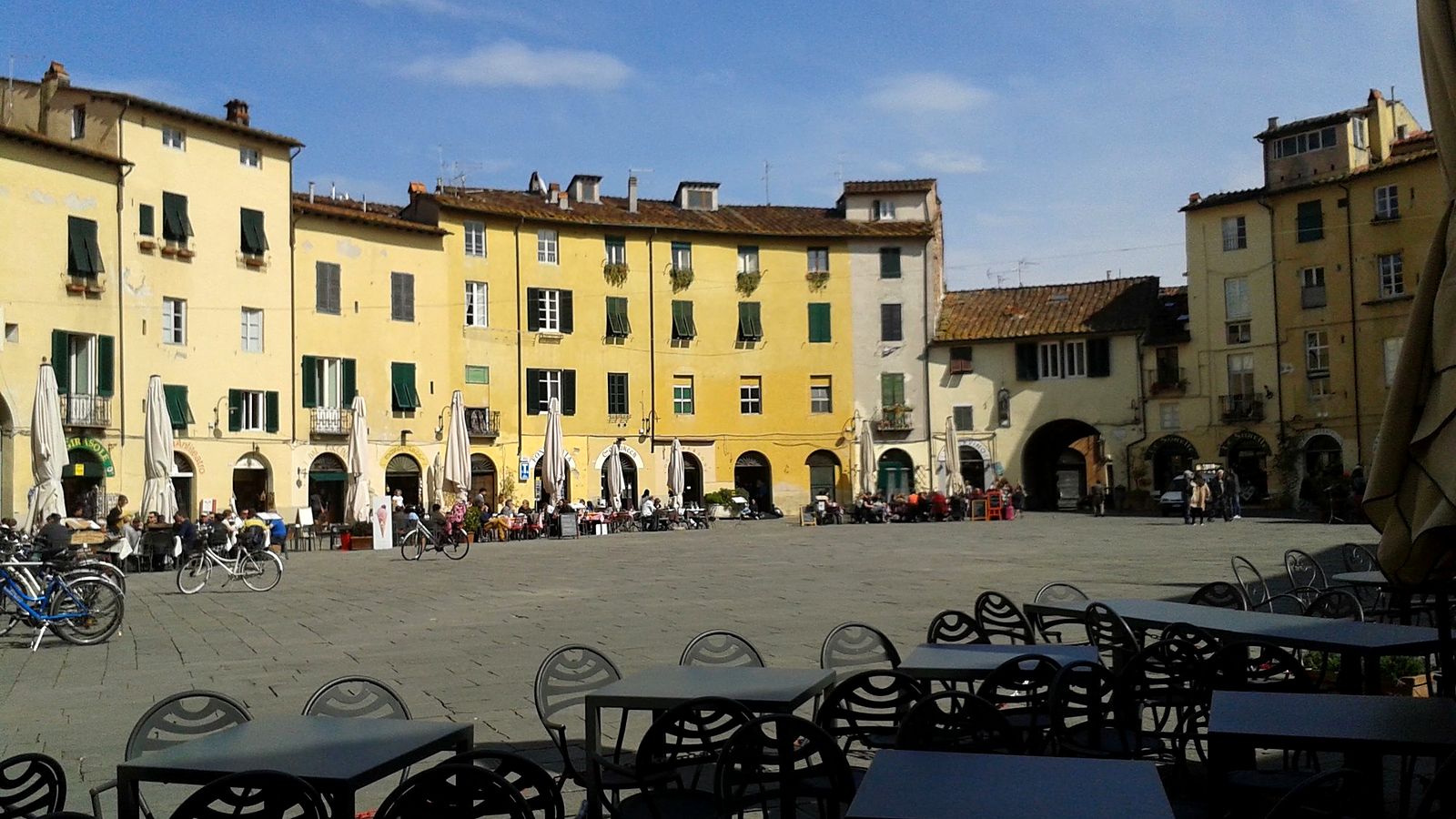
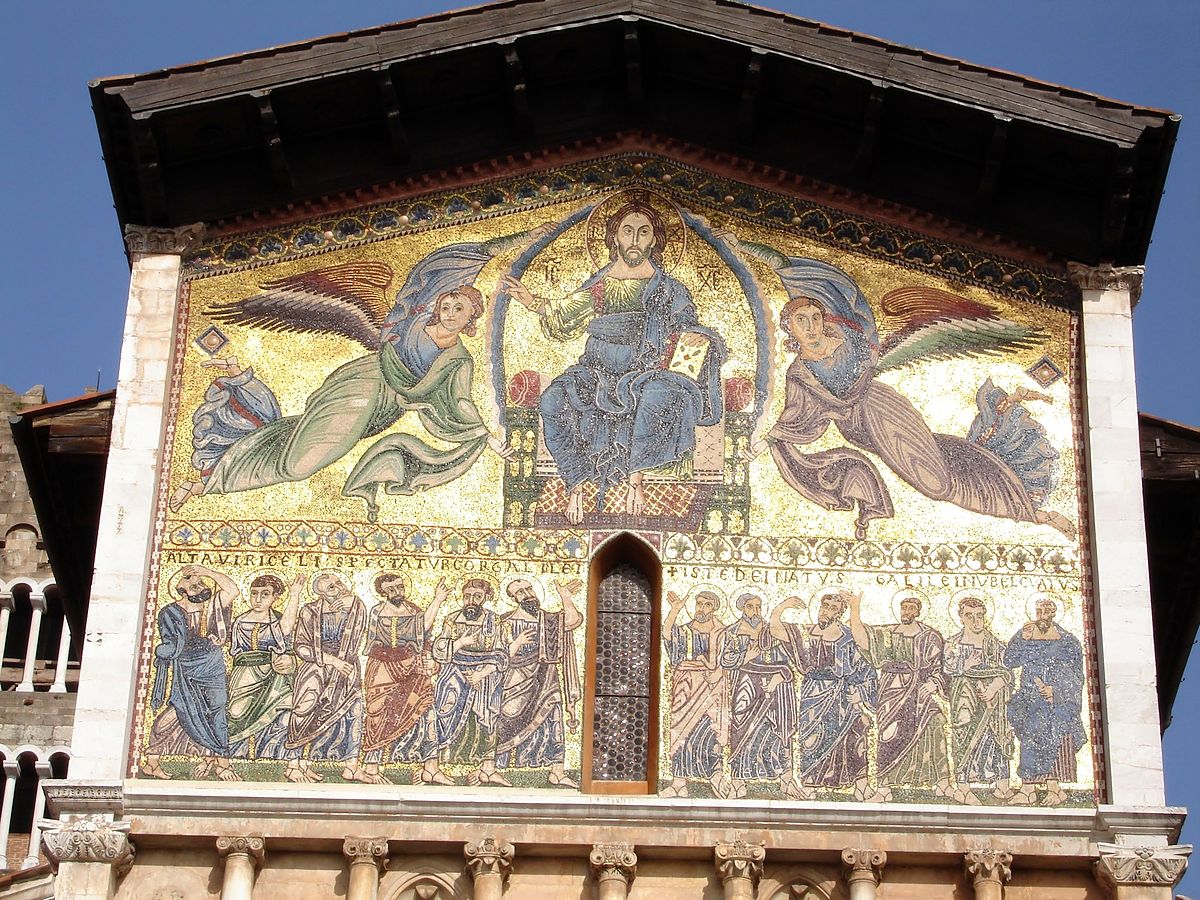
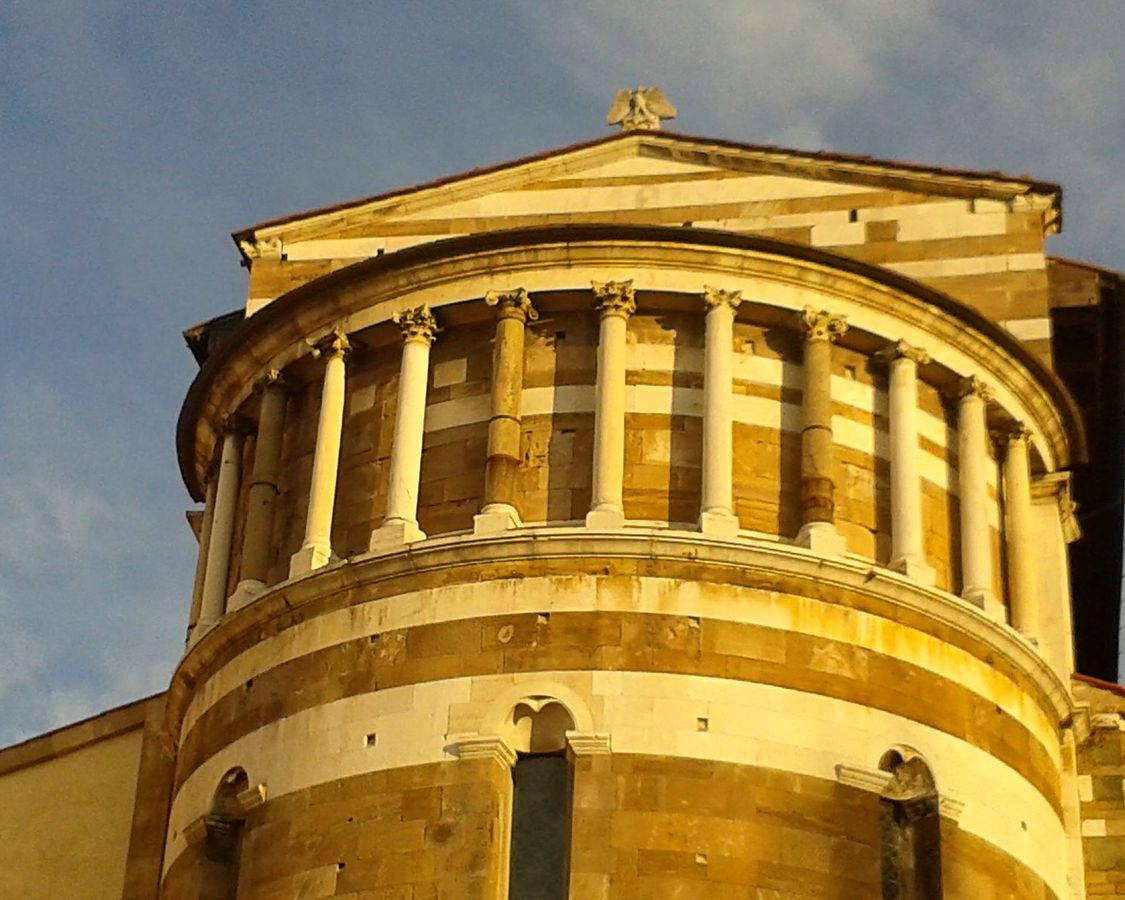
This is one of the most beautiful squares in Italy: built as a Roman amphitheater in the 2nd century AD, its center corresponds to the arena. Surrounding the space where the stands once rose are now homes, creating a unique view. Near Piazza dell’Anfiteatro stands the Church of San Frediano, the only one in Lucca with a Byzantine mosaic on its façade. Built in the 6th century, the church was enlarged and enhanced between the 13th and 17th centuries. Inside it houses the naturally mummified body of Saint Zita, along with other notable works of art.
LUCCA FOR FAMILIES
LUCCA FOR FAMILIES
Child-Friendly
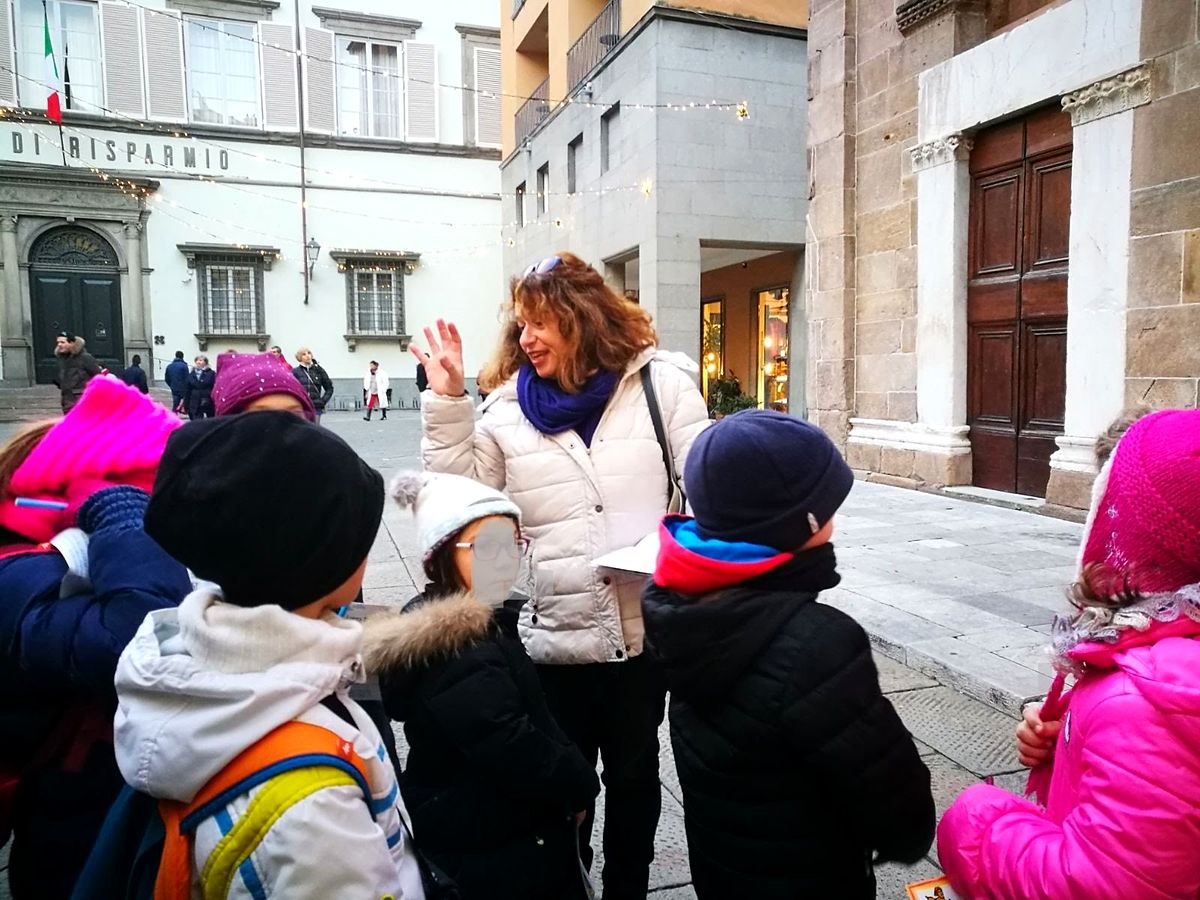
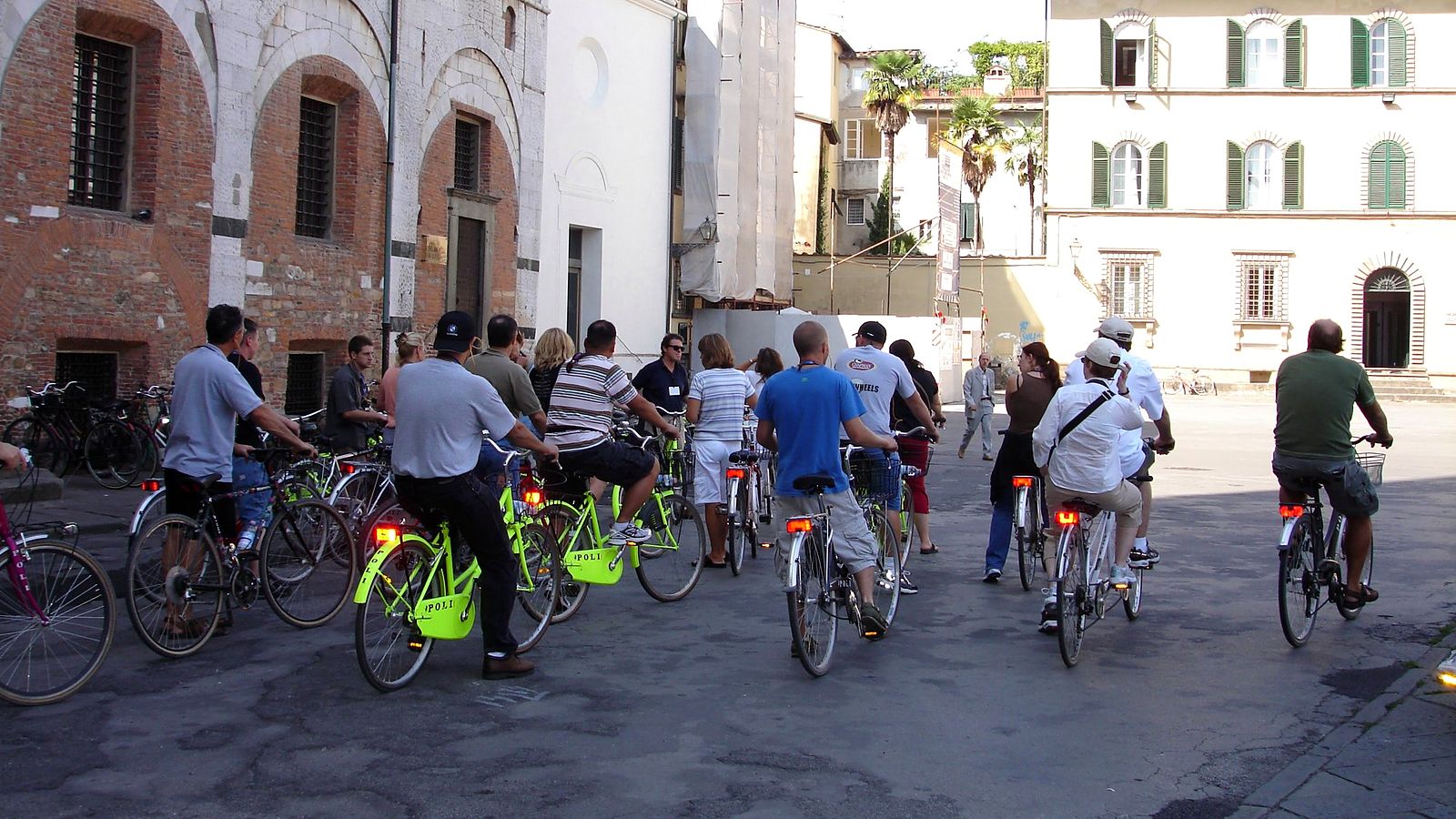
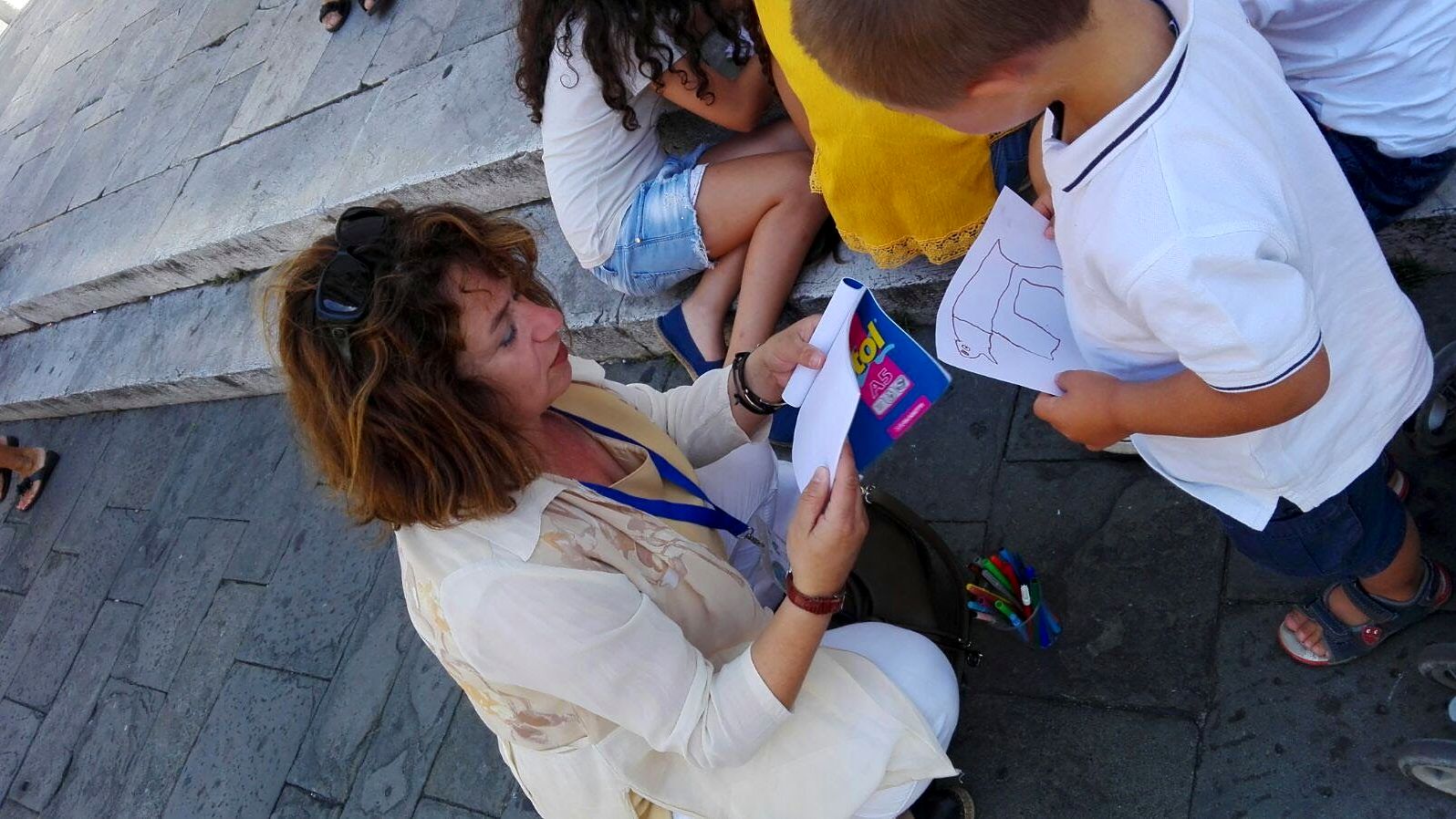
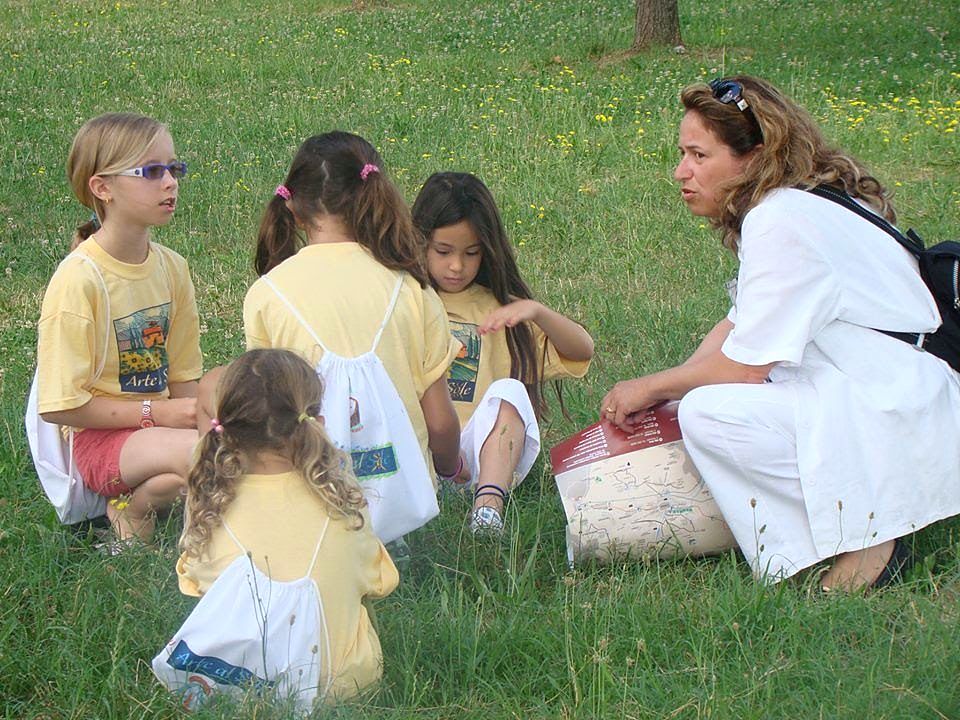
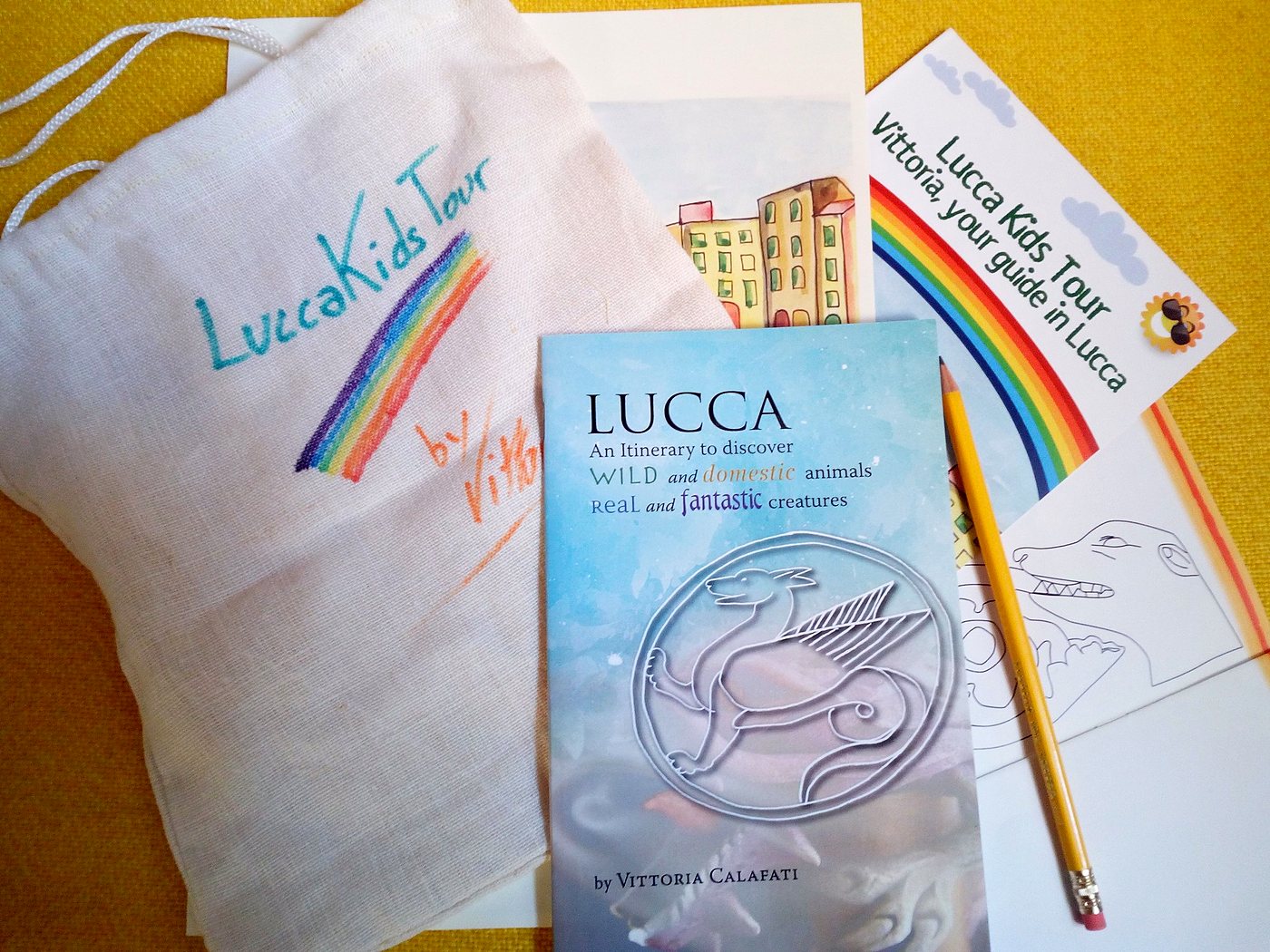
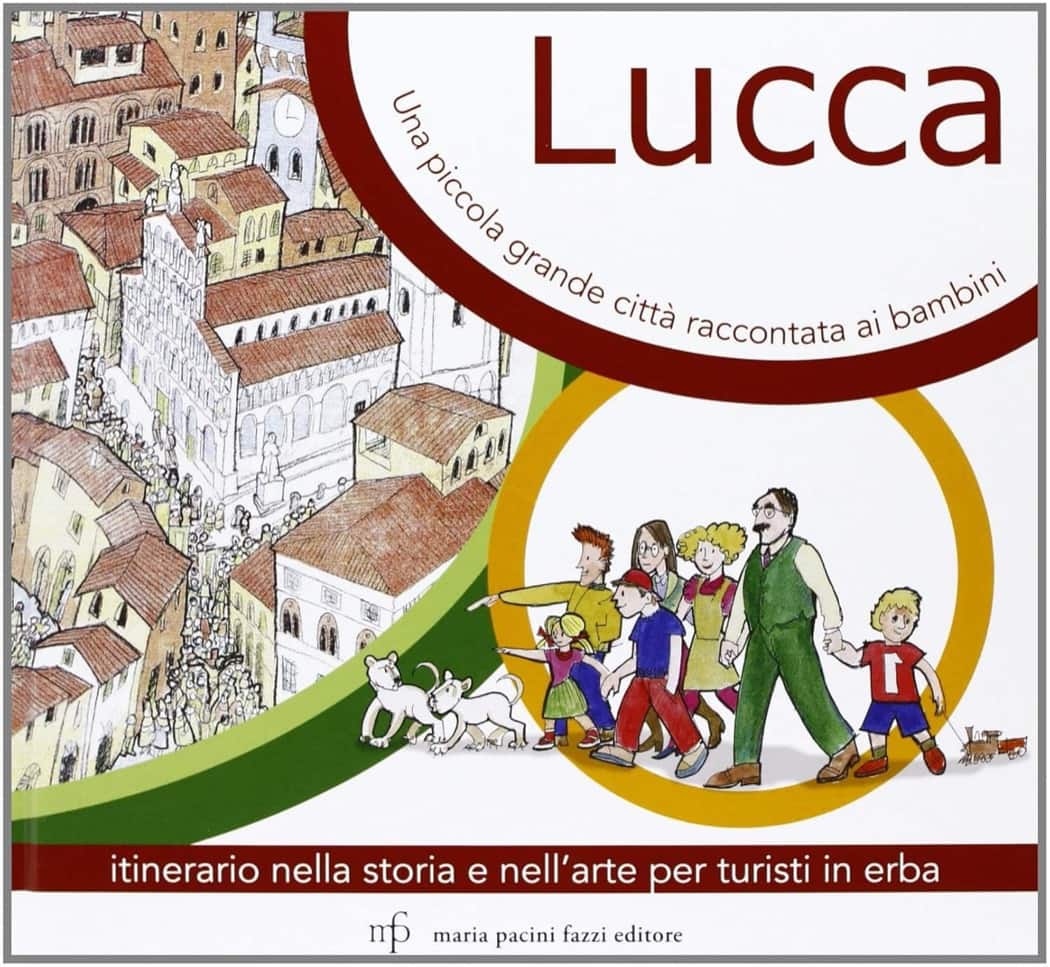
This itinerary lets you discover the city at a pace adapted to the family, sparking children’s curiosity while engaging adults too. On the map, using different colors, we trace the various construction periods of the city from Roman times to today; then we explore the inlays on the Church of San Michele and the Cathedral of San Martino. We spot inlaid images of fantastic, real, domestic, and wild animals and learn the legends connected to them. We look for medieval towers among the narrow streets and find out why the Guinigi Tower has trees on its top. Between streets, richly decorated palaces, and enchanting squares, we read the story of Lucca together.
The Walls of Lucca
The city walls are truly unique: about 4 km long, around 12 meters high, and an impressive 30 meters wide. What we see today are the Renaissance walls, begun in 1513 and completed a hundred years later, built on the basis of the medieval fortifications. Along the way we can still identify remains of the ancient walls, the ramps, bastions, and curtains. We admire some of the entrance gates with their beautiful decorations, such as Porta Santa Maria, Porta San Pietro, and Porta San Donato—both the old and the new one.
Giacomo Puccini and Piazza San Michele
The illustrious citizen Giacomo Puccini was born in Lucca in 1858 and, after studying in Milan, conquered the world stage with his immortal operas such as "Madama Butterfly", "La Bohème", and "Turandot". The Maestro was born just a few steps from Piazza San Michele, originally the Roman Forum—the center of Lucca. The square is dominated by the magnificent Church of San Michele with its Romanesque-Gothic façade, richly decorated with inlays of animals, motifs, angels, and saints.
The Cathedral of San Martino
Lucca’s cathedral is unique in its kind: an asymmetrical 13th-century façade leans against its 11th-century bell tower—a one-of-a-kind case in the Middle Ages. Under the portico are splendid reliefs depicting religious scenes, such as a 1260 Nativity by Nicola Pisano, and pagan themes like the cycle of the months, zodiac signs, a Cretan labyrinth, and much more. Inside are works of high artistic value, and above all the oldest wooden crucifix in Western Christendom: the Volto Santo from the 8th century.
Via Fillungo and the Guinigi Tower
Via Fillungo was the commercial street in the Middle Ages—and it still is today. Running north to south, it is lined with elegant shop windows of historic stores and medieval towers. Rising above the street is the Torre delle Ore, named after its Swiss clock from the mid-18th century. Also unmissable is the Guinigi Tower, built by Paolo Guinigi, lord of Lucca from 1400 to 1430. With its splendid rooftop garden, which you can visit after climbing 230 steps, the view from the top stretches a full 360 degrees.
Piazza dell’Anfiteatro and the Church of San Frediano
This is one of the most beautiful squares in Italy: built as a Roman amphitheater in the 2nd century AD, the center of the square corresponds to the former arena. All around, where the stands once rose, there are now houses that give the square its unique appearance. Close to Piazza dell’Anfiteatro stands the Church of San Frediano, the only church in the city with a Byzantine mosaic on its façade. Built in the 6th century, it was improved and enlarged between the 13th and 17th centuries. Inside it houses the naturally mummified body of Saint Zita, along with other works of art.
PIETRASANTA THE LITTLE ATHENS
In the Footsteps of the Artists
Pietrasanta is a charming town unlike any other: in its compact historic center you’ll find precious works of contemporary art side by side with medieval and modern masterpieces. With this itinerary we trace its foundation in 1255 and its Renaissance flourishing, when Michelangelo Buonarroti stayed here at the request of Pope Leo X. Following in the footsteps of the great Michelangelo, we encounter major works from the 15th to the 20th century: from Donato Benti to Matteo Rossellino, Leone Tommasi, and on to the surrealist Folon, Igor Mitoraj, Botero, Niki de Saint Phalle, and many more. A wonderful discovery!
The Cathedral of St. Martin and the Bell Tower
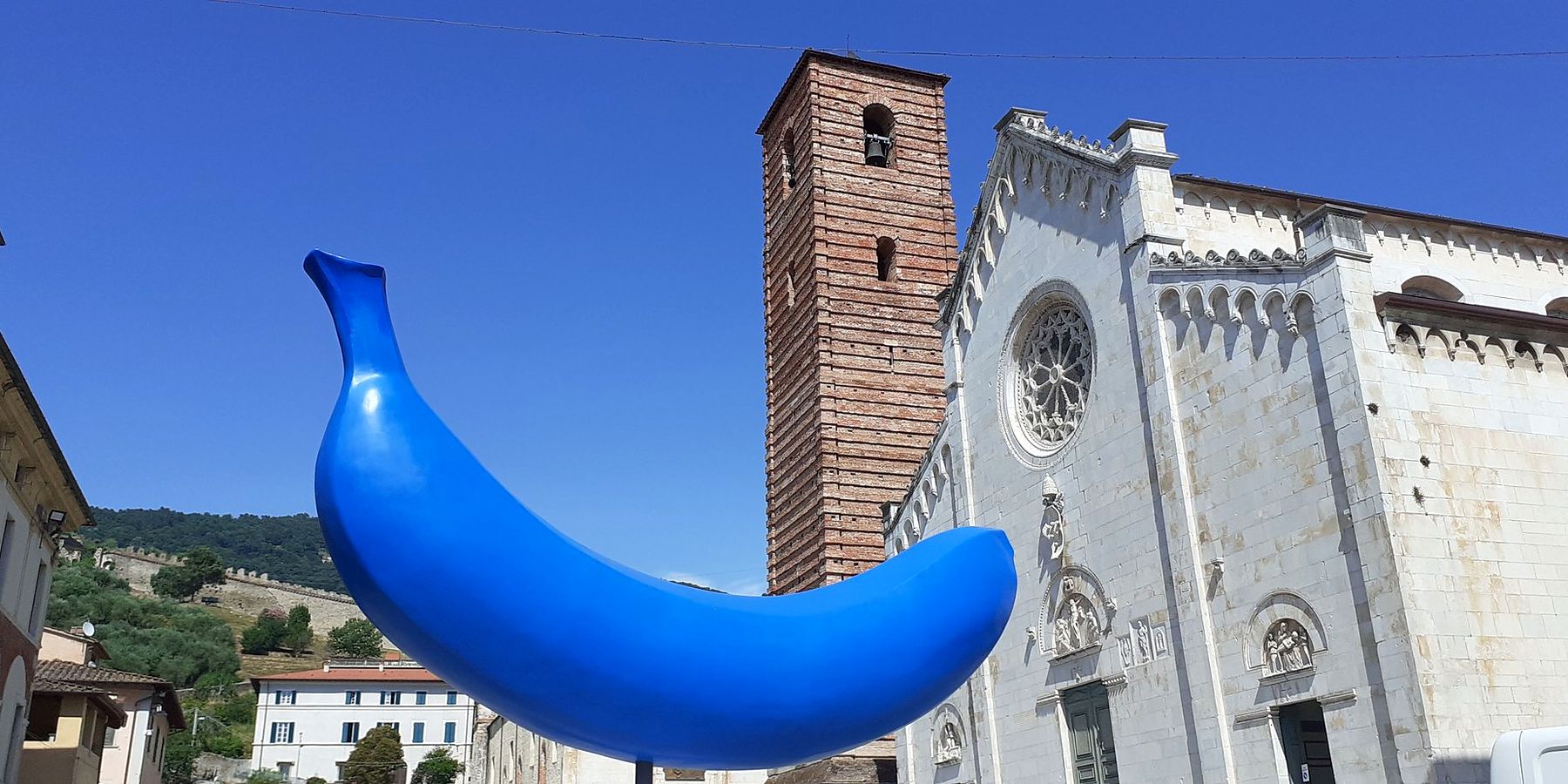
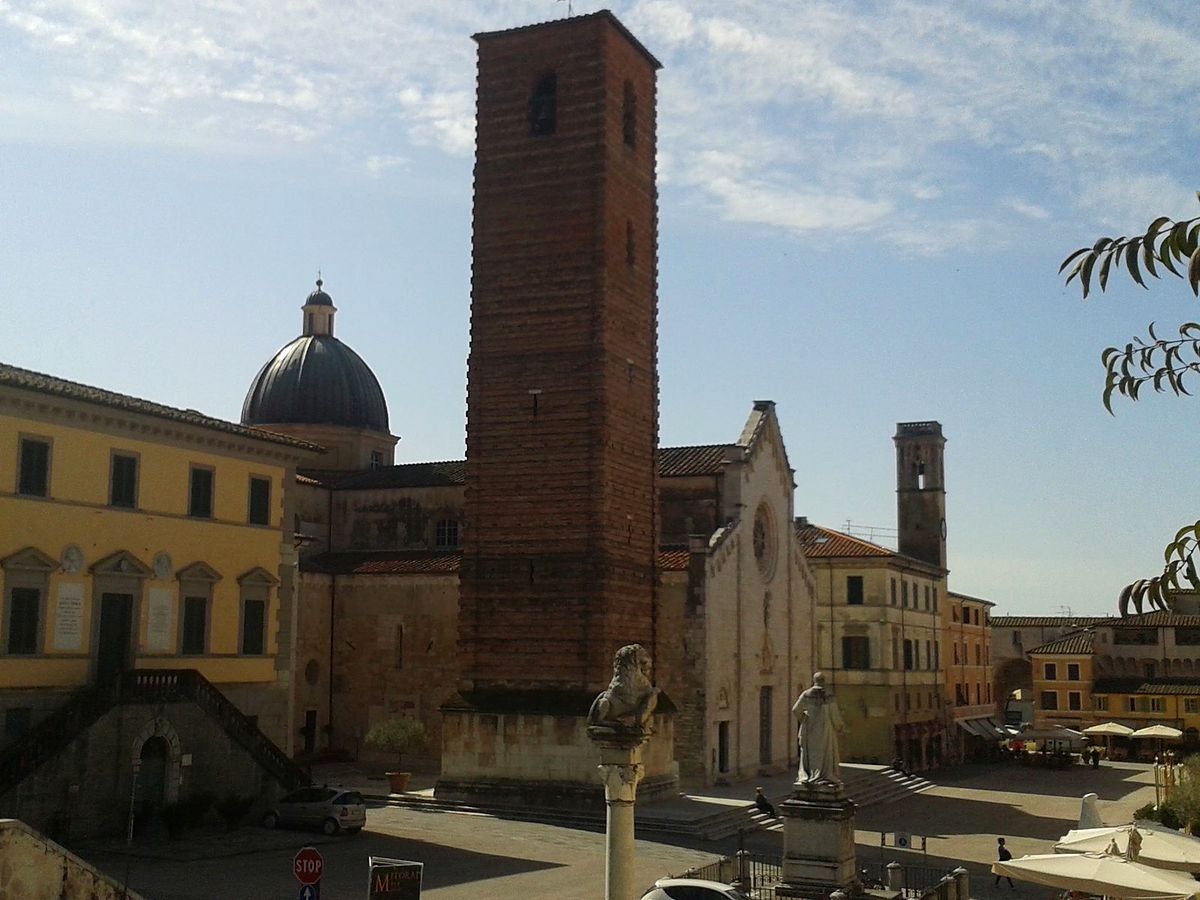
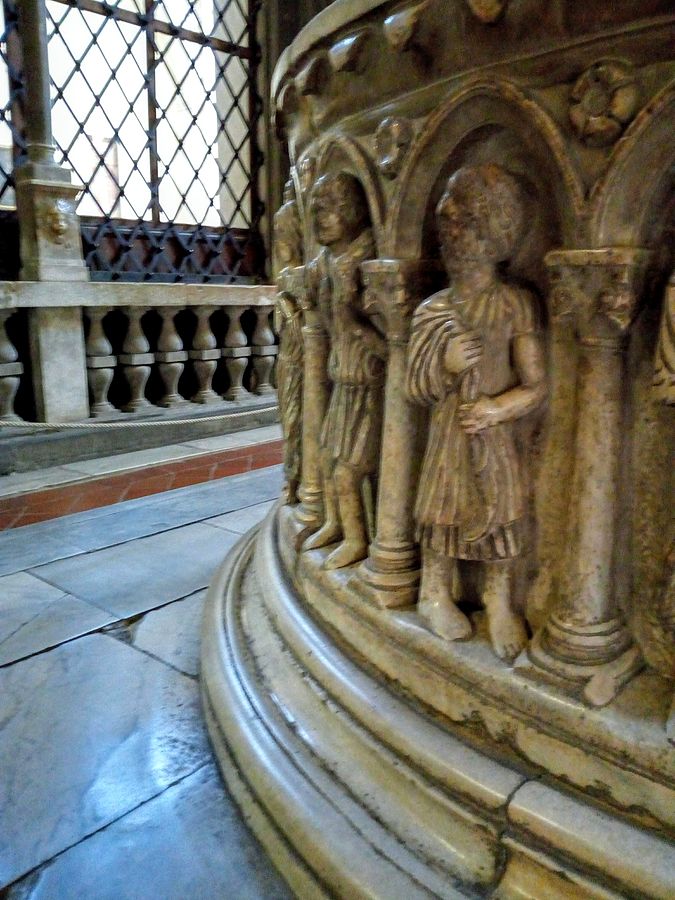
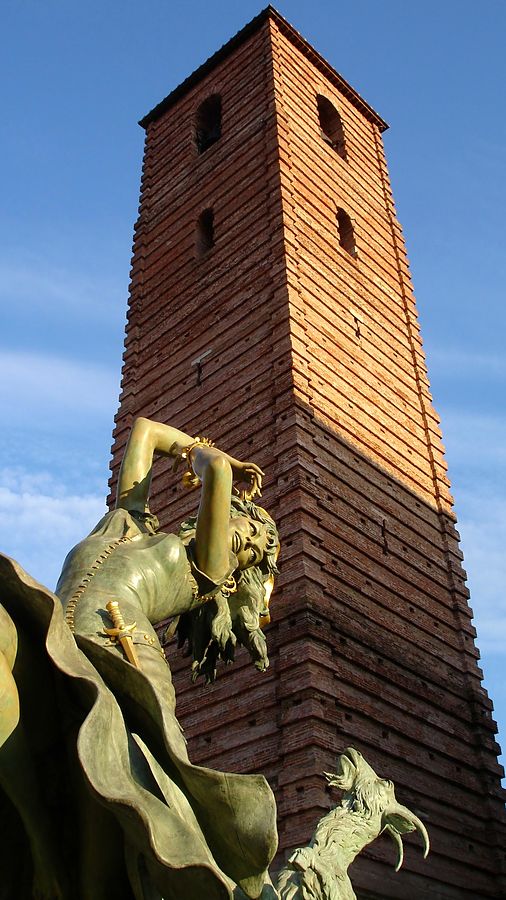
The 13th–14th-century Cathedral of San Martino, in Romanesque-Gothic style, bears on its façade reliefs by Donato Benti and houses a treasure of masterpieces within. The pulpit staircase is a rare marvel, carved from a single block of marble in the 16th century and attributed to Andrea Baratta. To the right of the cathedral stands a distinctive bell tower: quadrangular on the outside, while inside a circular staircase is visible. It is a feat of remarkable architectural engineering which, according to some, was executed by Michelangelo Buonarroti during his stay in Pietrasanta in 1520.
The Church of Sant’Agostino and the Museum of Bozzetti
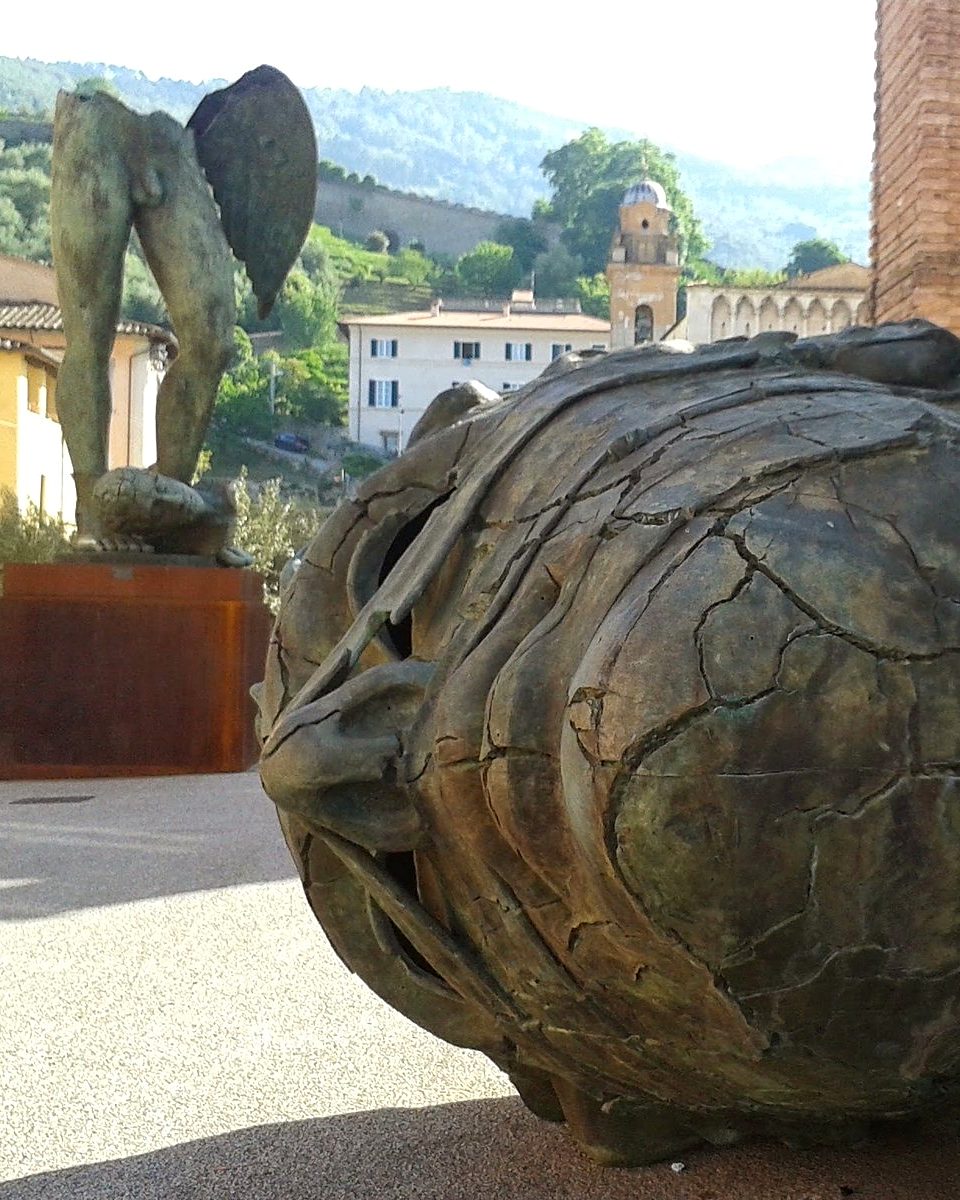
The Church of Sant’Agostino (14th c.), no longer used for worship, now hosts art exhibitions. In Romanesque style, its façade features a splendid bronze “Annunciation” by Igor Mitoraj (2013). The adjoining cloister houses the Museum of Bozzetti, unique in the world, where you can follow the development of art from the early 20th century to the present. Here you’ll find works by artists such as Jean-Michel Folon, Ferdinando Botero, Elaine Blumenfeld, Franco Adami, Pietro Cascella, Anna Chromy, Jo Pomodoro, Niki de Saint Phalle, Marcello Tommasi, and Vincenzo Santini.
The Frescoes by Ferdinando Botero
In the 14th-century Church of the Misericordia, among works by Jacopo della Quercia and Luigi Ademollo, we admire Ferdinando Botero’s frescoes depicting “The Gate of Hell” and “The Gate of Paradise.” The former shows a great devil surrounded by little devils torturing the damned emerging from tongues of fire, including Hitler. On the opposite wall, the Garden of Eden is painted, crowned by the Madonna and Child with angels; among the figures one recognizes Mother Teresa of Calcutta. A unique style set within a truly one-of-a-kind setting.
CAMAIORE: BETWEEN THE ABBEY AND THE VIA FRANCIGENA
The Valley between the Hills
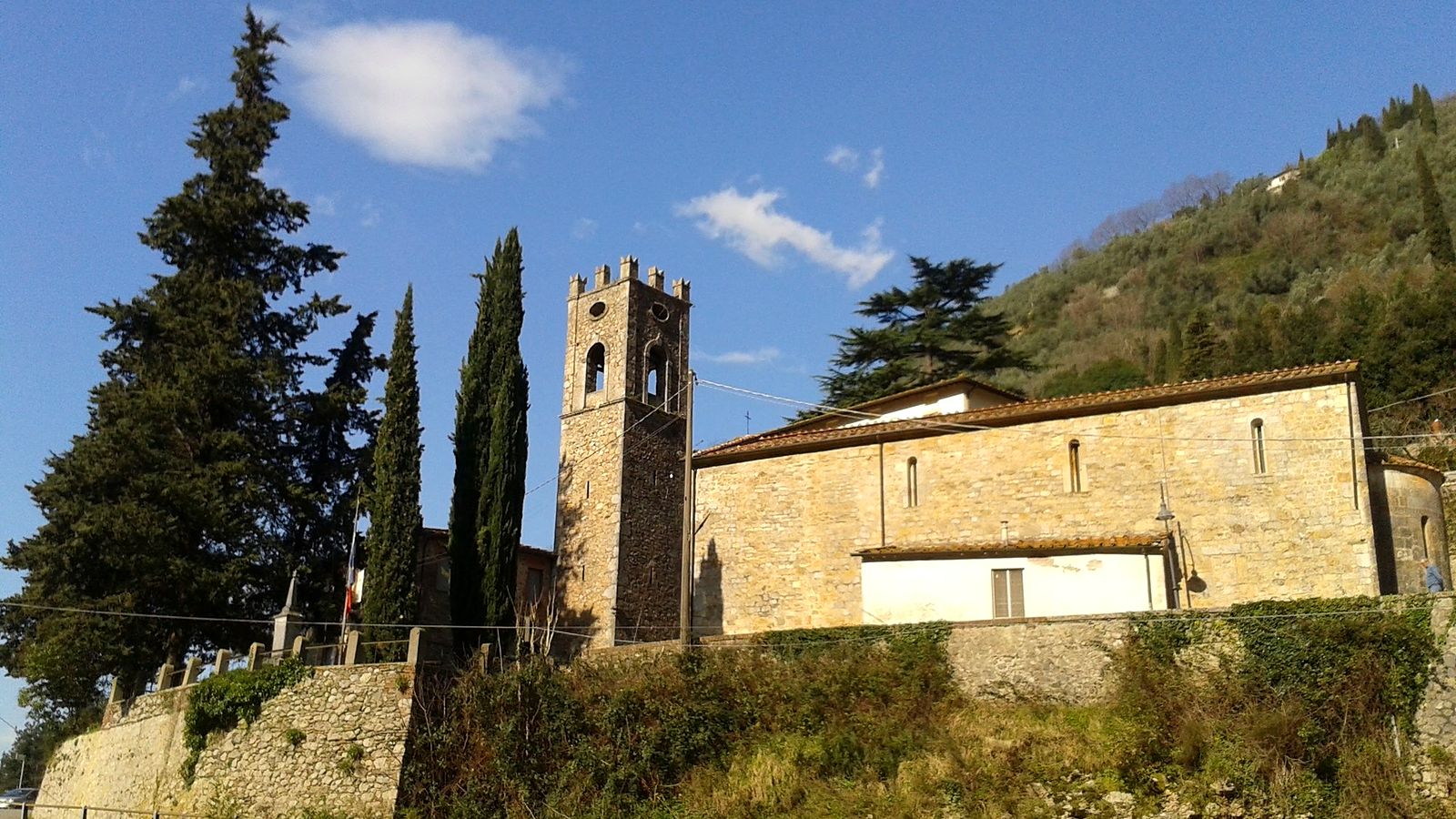
Camaiore sits in a natural amphitheater surrounded by gentle rolling hills. The area has yielded archaeological remains of Homo sapiens, evidence of Roman farm estates, and medieval defensive castles. With the splendid 10th-century Abbey, we discover the Via Francigena, an important stop for pilgrims and for Archbishop Sigeric of Canterbury around the year 990. The historic center is a true gem of Versilia, with its palaces, Romanesque churches, and beautifully crafted corners. The town is immersed in an ancient atmosphere yet retains a modern charm.
The Abbey and the Museum of Sacred Art
The beautiful Abbey of St. Peter is already mentioned in the 10th century, when the Bishop of Canterbury, Sigeric, travelled on pilgrimage to Rome. The church still preserves its Romanesque style in squared stone and houses an interesting Baroque altar built around a 14th-century painting. Not far from the church is the Museum of Sacred Art, located in an 18th-century building; in front of its entrance you can admire an original stretch of the Via Francigena. The museum exhibits furnishings, paintings, vestments, and sacred objects dating from the 14th to the 16th centuries. Not to be missed: a 1516 tapestry and works by Matteo Civitali, Agostino Marti, and many others.
Camaiore’s Center between Art and History
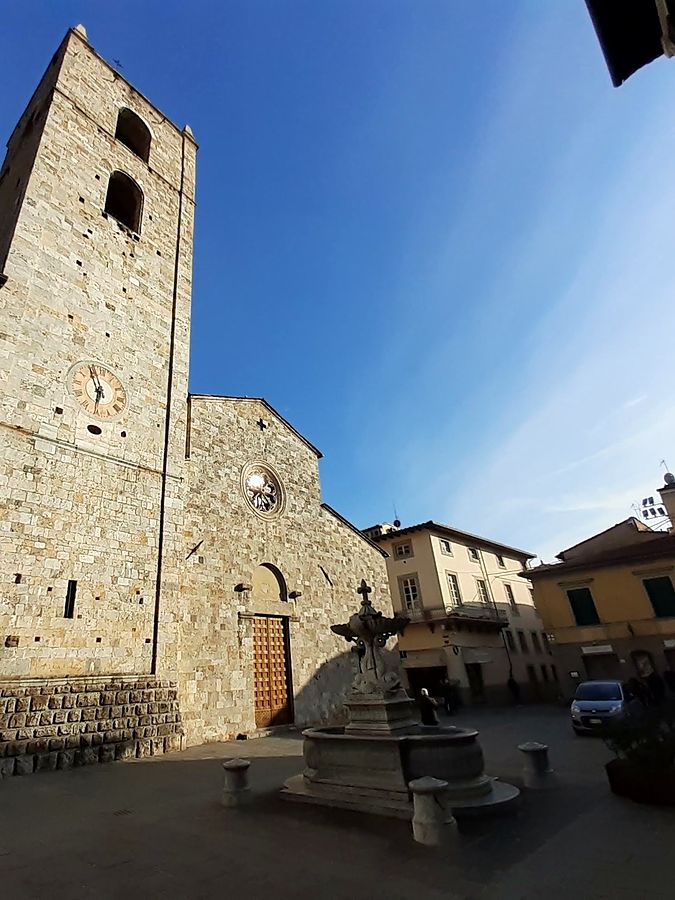
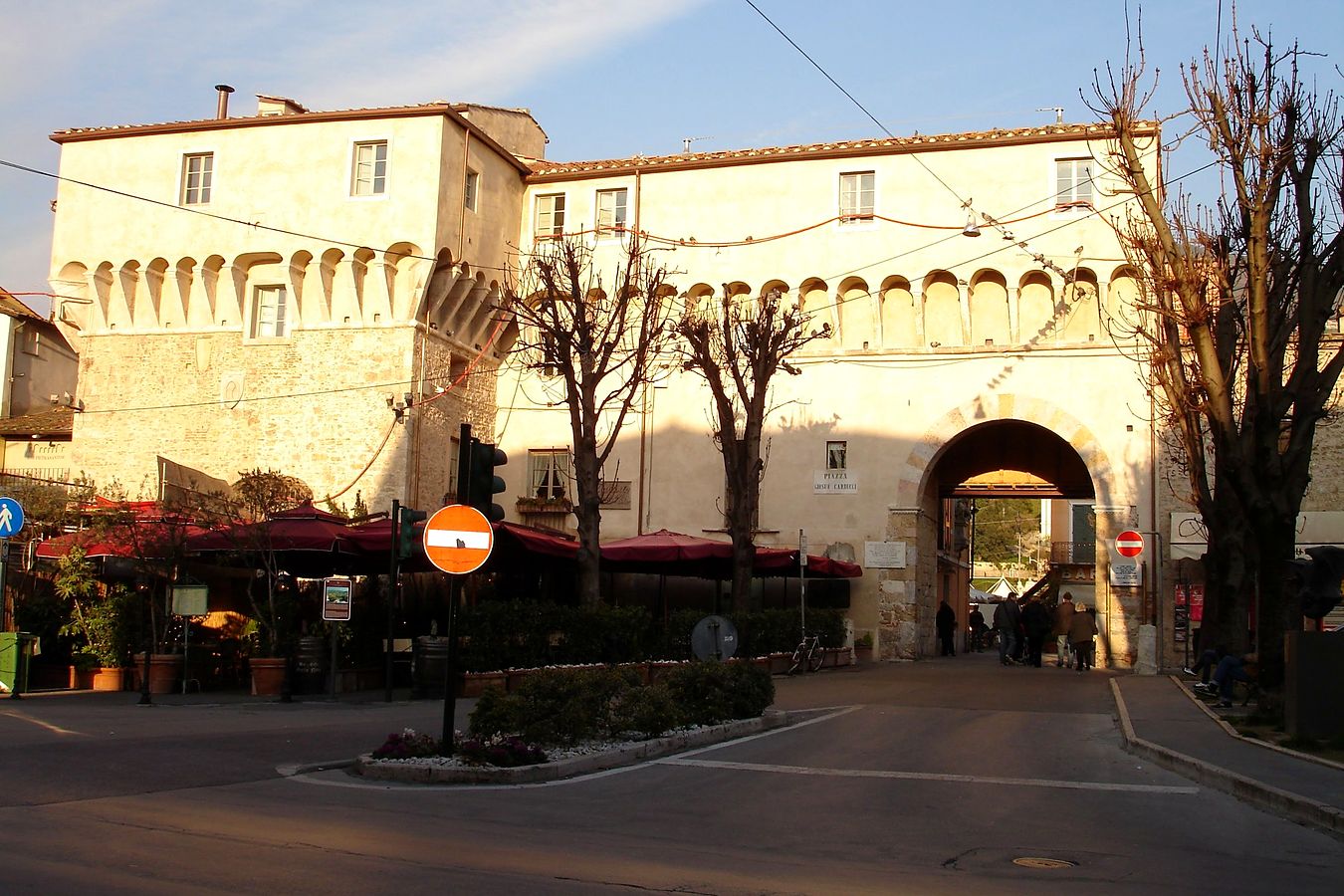
The town center is dominated by the Romanesque collegiate church dedicated to St. Mary of the Assumption, built in the 13th century and leaning against a 14th-century bell tower. Inside, Romanesque pillars frame artworks from the 15th to the 19th centuries. Of particular interest are two 1387 baptismal fonts, an altarpiece by Marracci, and frescoes by Tofanelli. Near the church we admire the old Porta San Pietro with a 15th-century fresco and a 16th-century triumphal arch. Not to be missed: the Church of St. Michael the Archangel and the remains of the medieval walls in the nearby square.
VIAREGGIO: THE PEARL OF THE TYRRHENIAN
A Seaside Stroll Between Liberty and Carnival
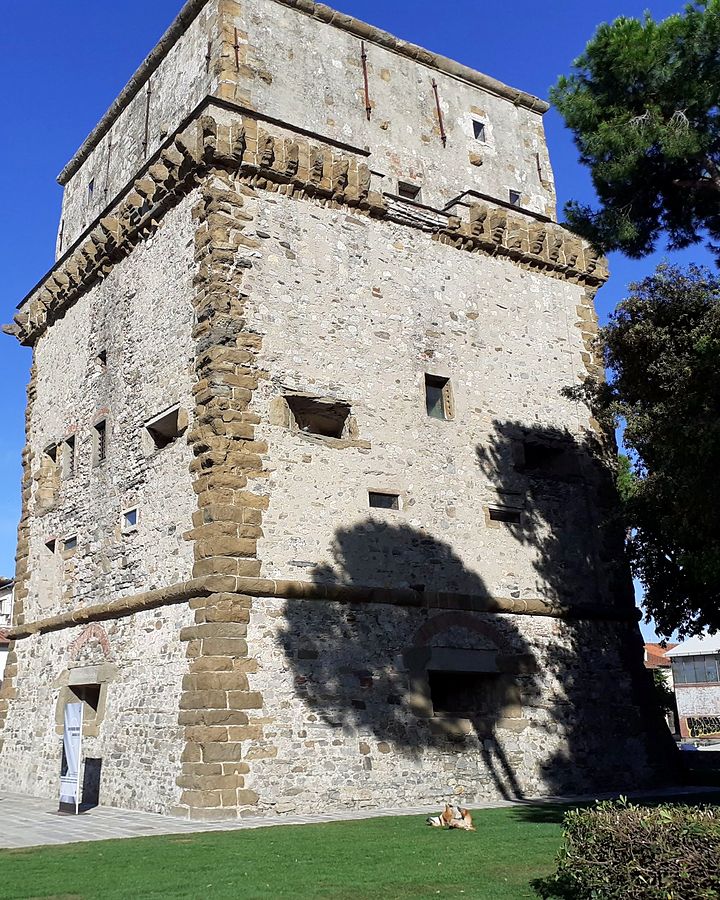
Viareggio is like a painting that brings together, on one side, seaside architecture with shops and beautiful decorations of shop windows and bathing establishments, and on the other, hotels, villas, and mansions with floral Art Nouveau decorations. The view of the port of Viareggio with fishing boats and luxury yachts introduces us to the seaside promenade, where we admire the places that inspired great artists such as Lorenzo Viani and Galileo Chini. We discover meeting places for writers and musicians like Giacomo Puccini, and admire Piazza Mazzini with the Palazzo delle Muse and the sculpture of Burlamacco. An itinerary of beauty and nature!
The Liberty Buildings
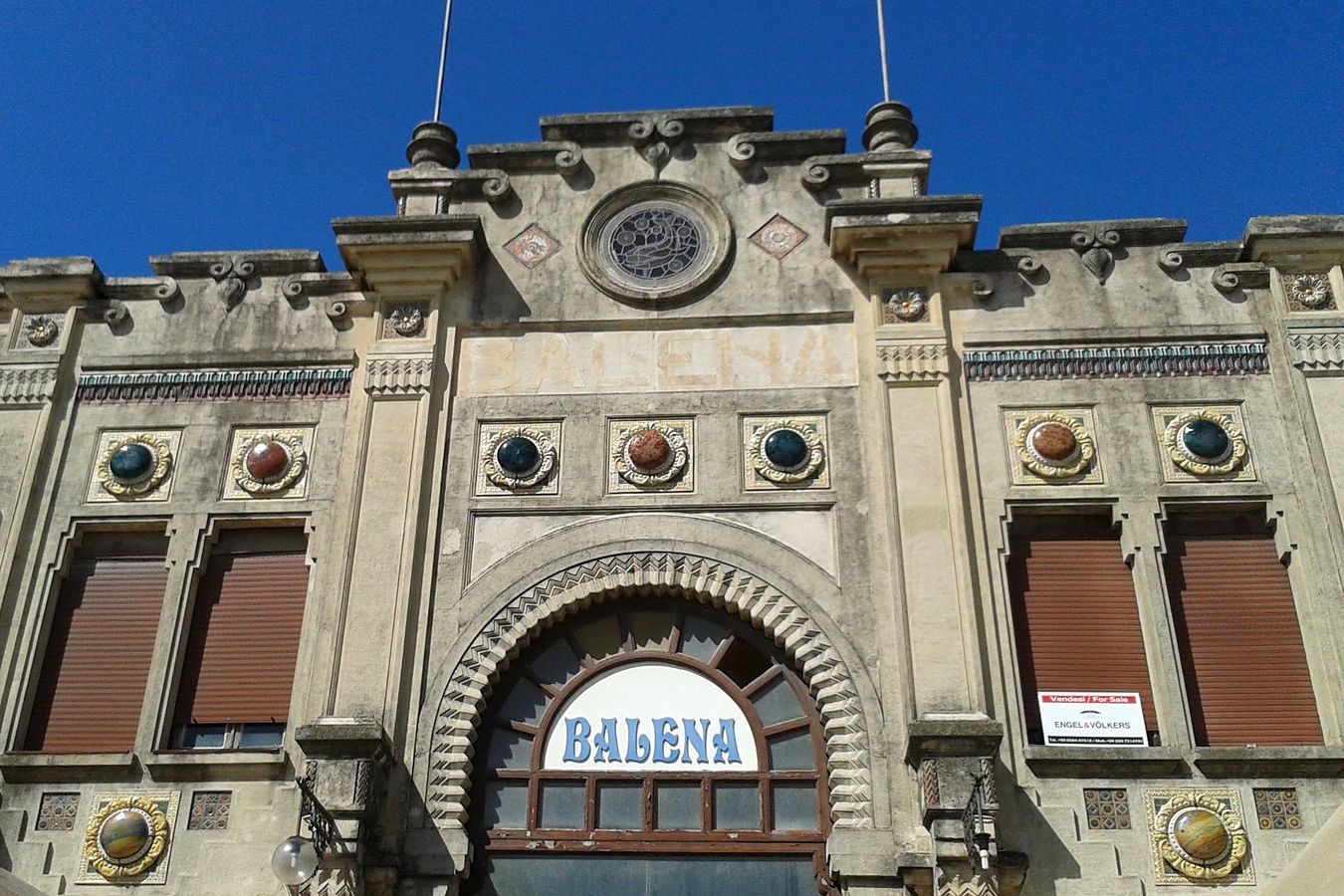
Viareggio boasts the highest concentration of Liberty-style buildings in all of Italy. The Caffè Margherita, with its onion domes, best represents the city. Designed by Alfredo Belluomi and decorated by Galileo Chini in 1929, it is a symbol of Viareggio. We admire the Chalet Martini from 1899, the only surviving example of wooden architecture that once characterized the entire promenade. We discover the Bagno Balena from 1928, which helps us understand the organization of seaside life in Viareggio in the early 20th century. Particularly noteworthy is the decoration of a building with seahorses, a rare Liberty motif.
Italy’s Most Famous Carnival
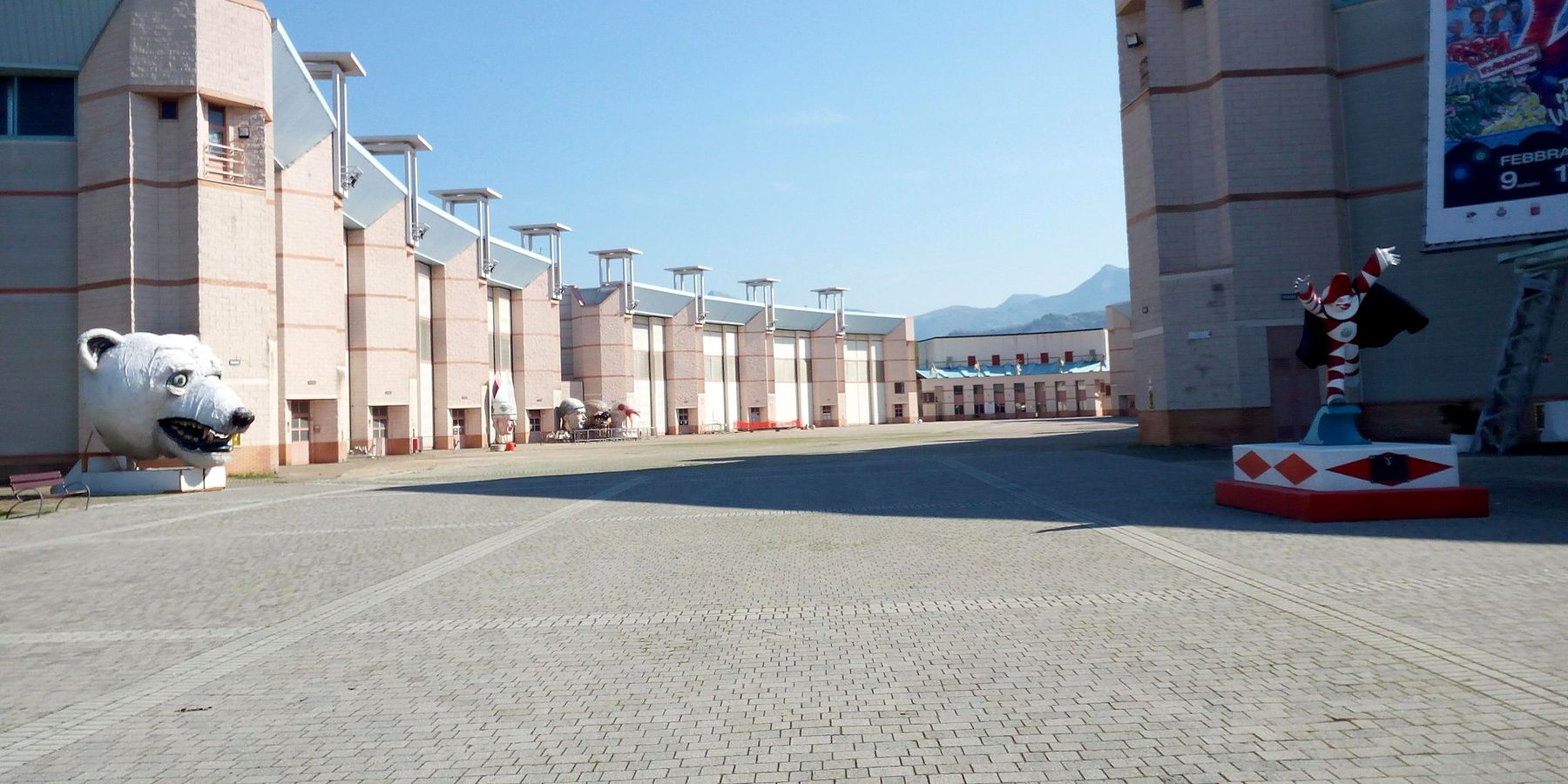
Since 1873, the greatest folkloric event has made Viareggio famous not only in Italy but also abroad. The Carnival is represented by monumental floats, built of wood, scagliola, and jute, modeled in papier-mâché by local sculptors. Over 20 meters high and 12 meters wide, these giants amaze the public with extraordinary choreographic effects as they parade along the seaside promenade, led by Burlamacco — Viareggio’s symbolic mask — together with Ondina, the bathing beauty who represents the summer season. Their colors summarize the city’s summer life: the red and white of the beach umbrellas and the blue of the sea.